Bitmain
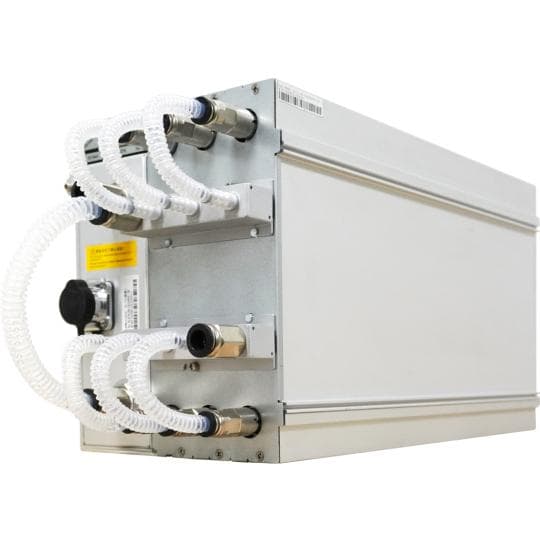
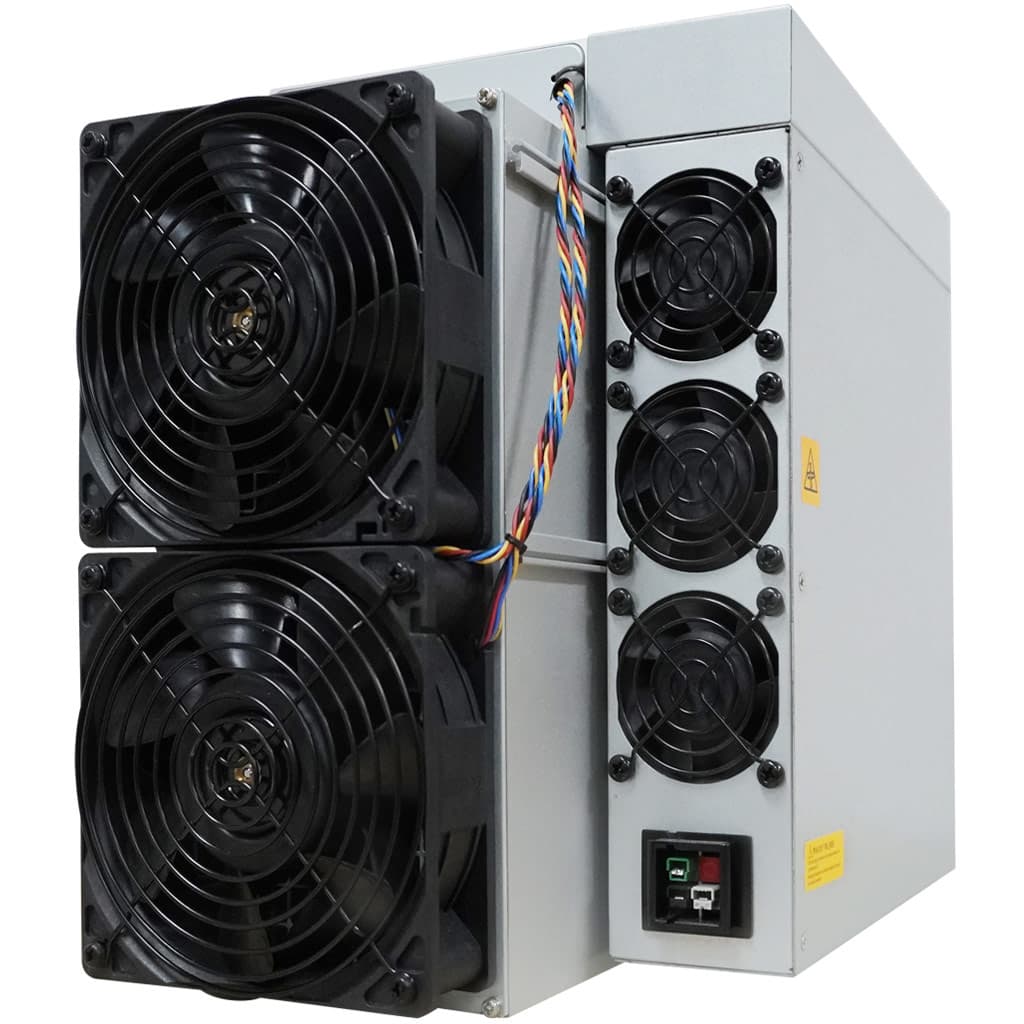
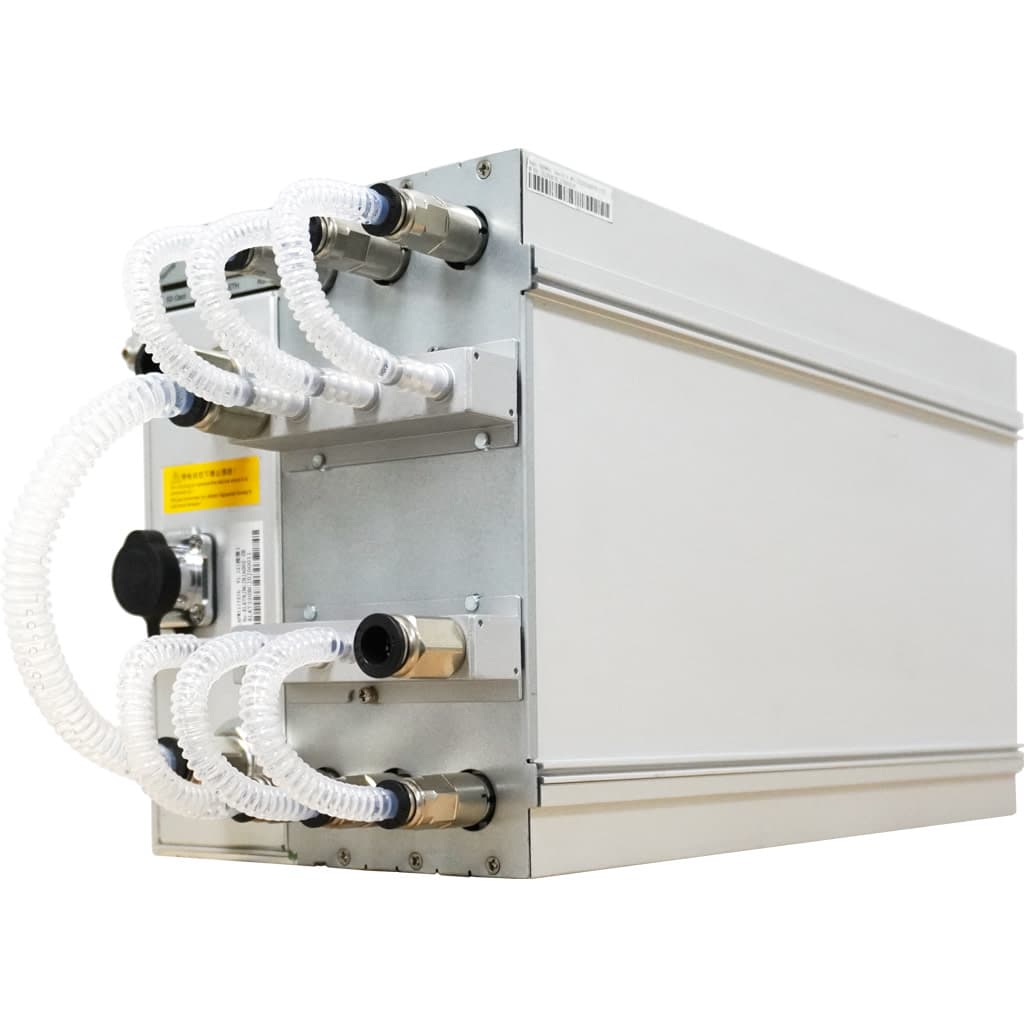
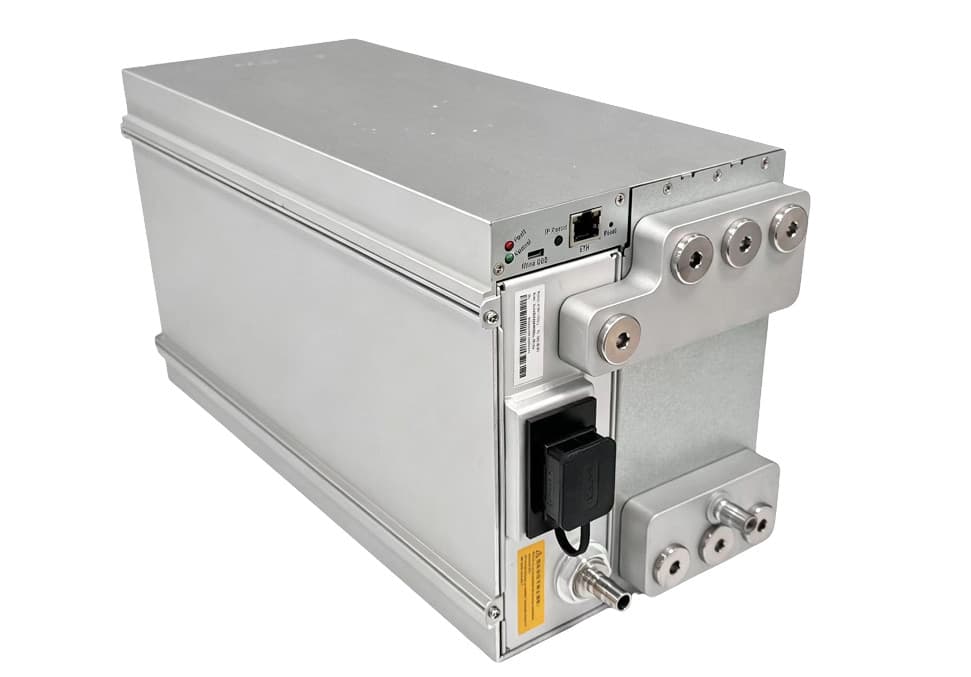
Antminer S23 XP Hyd.
AvailableNew
- Hashrate
- 600TH/s
- Power
- 5,340W
- Efficiency
- 8.9J/TH
- Hydro-cooled
- SHA-256
$14,535$24.23/TH
Market · 230/400 V, 50 Hz
Switzerland's supply is 230/400 V at 50 Hz, with type C and type J sockets to the Swiss standard SN 441011. That standard defines a series of 10 A plugs and sockets (Type 1x) and a series of 16 A ones (Type 2x), with three-phase versions that also accept single-phase plugs.
A large air-cooled miner drawing 3–3.6 kW at 230 V takes roughly 13–16 A continuously. That is more than a 10 A socket is rated for, and close to the full rating of a 16 A socket, so the miner needs its own dedicated circuit, preferably with an IEC 60309 industrial connector (blue for 200–250 V; 16 A and 32 A are common ratings).
Air-cooled miners with a 200–240 V input run phase to neutral and can be spread across the three phases of a 400 V supply. Hydro-cooled miners specified for 380–415 V three-phase match the 400 V line-to-line voltage directly.
Under Swiss rules, anyone who creates, modifies or repairs electrical installations needs a permit from the Federal Inspectorate for Heavy Current Installations (ESTI). Have the circuit installed by a permit holder and confirm the connection capacity with the local utility.
| Supply | Connection | Listed miners that accept it |
|---|---|---|
| 230 V | Phase to neutral; SN 441011 sockets (type J) and type C. | 53 of 93 |
| 400 V three-phase | Line to line; matches miners specified for 380–415 V three-phase input. | 40 of 93 |
Counted from the input-voltage range stated for each miner, for the 93 listed miners with a stated range. Nominal supply values; actual site voltage varies. Have a qualified electrician confirm your supply, breakers and cabling.
MeteoSwiss describes a climate shaped by the Alps and the nearby Atlantic, with the south side of the Alps influenced mainly by the Mediterranean. Altitude dominates: the national mean for 1991–2020 is 5.8 °C, the lowlands average 8–12 °C, and the mean falls with height in the pre-Alps and Alps.
Lowland sites get the summer heat. In the June 2026 heatwave Basel/Binningen reached 39.0 °C, a new record for German-speaking Switzerland; the national record is 41.5 °C, at Grono on 11 August 2003. Air-cooled sites in the lowlands and Ticino should plan for such peaks with derating, evaporative assistance or hydro cooling.
Higher and sheltered sites face the opposite problem: cold air pools in hollows and valleys, where the national low of −41.8 °C was recorded at La Brévine in 1987. Intake air there may need tempering with recirculated exhaust.
Lowest J/TH among listed models whose published input range includes a standard Swiss supply voltage.
Bitmain
$14,535$24.23/TH
Bitmain
$11,684.05$20.14/TH
Bitmain
$7,931.55$26.01/TH
Bitmain
$8,359.05$17.41/TH
Switzerland does not appear as a mining location in the most recent survey evidence. The Cambridge Centre for Alternative Finance (CCAF) Digital Mining Industry Report of April 2025, based on survey data as of 30 June 2024 from firms representing about 48% of network hashrate, did not list Switzerland among the countries where respondents were headquartered or the 23 countries where they reported mining operations. It found European activity concentrated in the Nordic countries, led by Norway, while cautioning that its sample may overstate activity in some regions, such as the United States.
Orders are handled the same way for every destination and scale with quantity:
Where a product shows "Availability on request" or "Available", stock is not held in a warehouse; lead time is confirmed on your quotation.
Standard shipping to Switzerland is free on every order. If you need it faster, choose express shipping at checkout and we quote it before payment is requested.
Customs clearance and import tax are handled by the Federal Office for Customs and Border Security (FOCBS, BAZG), which is responsible for import tax on goods. The normal rate is 8.1 percent, calculated on the consideration or market value including all costs incurred as far as the destination.
Customs duties are calculated from the tariff number, quantity, weight and value of the goods and their country of origin; the Swiss customs tariff (Tares) shows whether a duty reduction or exemption is available for the origin of the goods. A business making an electronic customs declaration needs a UID number.
Beyond a few machines, the miners are one line of the bill of materials. Transformers, switchgear, PDUs, racking, cooling and containers are specified around the miner model and the site's supply voltage, and can be quoted as one procurement scope.
Checked on October 11, 2026.
Wholesale & project supply
Send models, quantity, destination and available electrical capacity. Sales replies with equipment options, delivery terms and lead time.