Bitmain
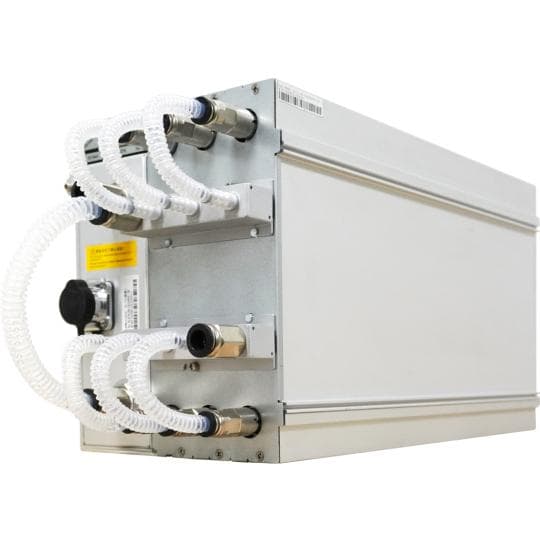
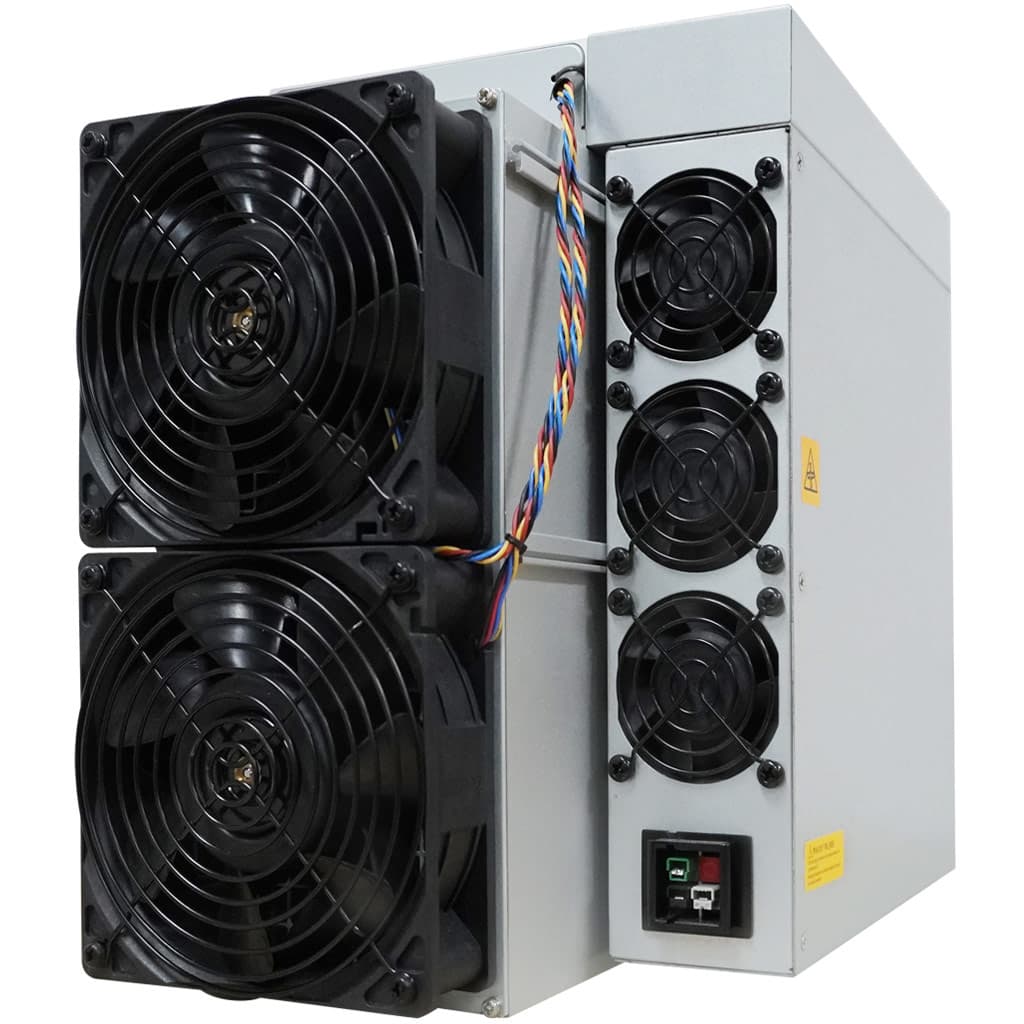
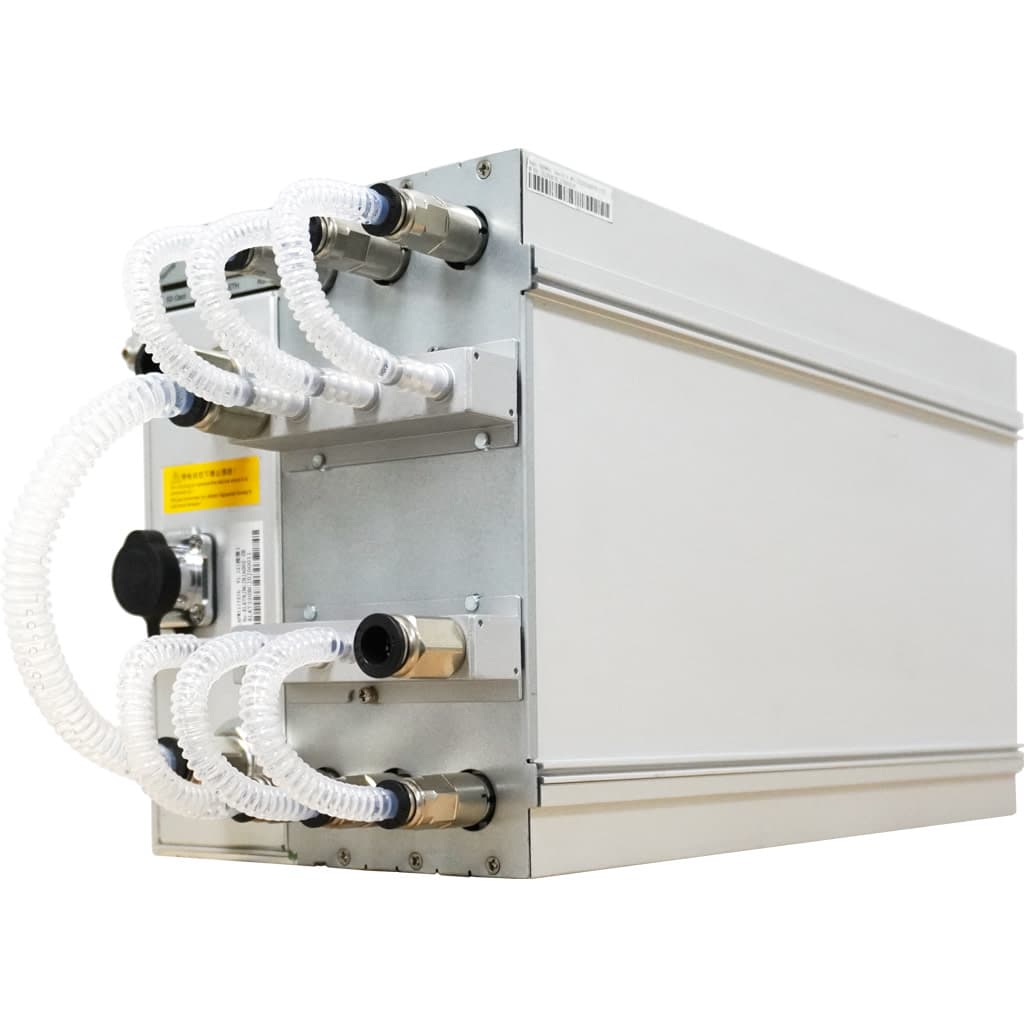
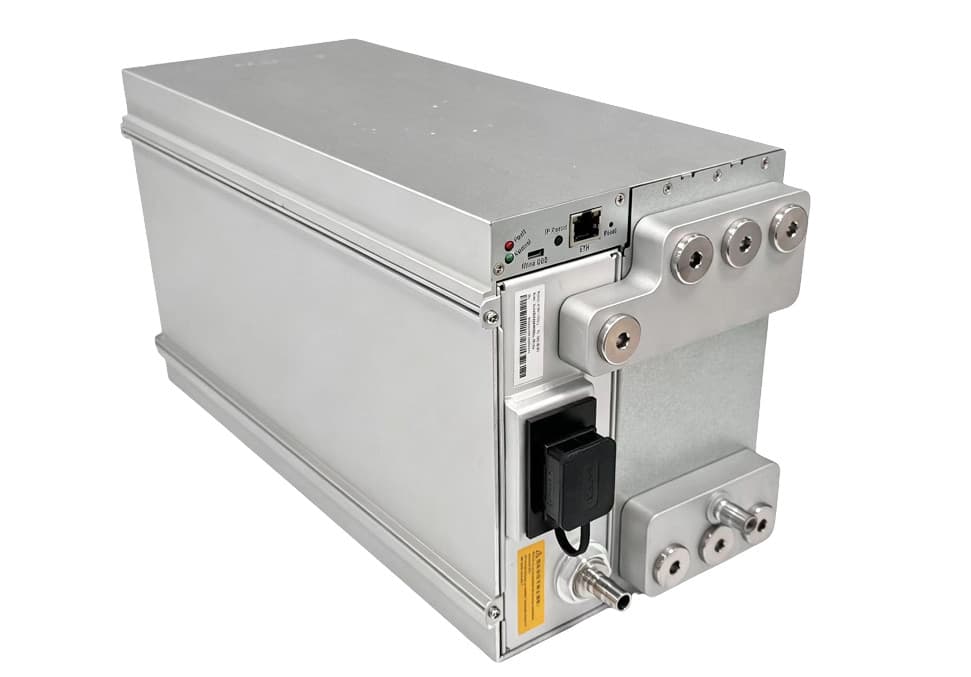
Antminer S23 XP Hyd.
AvailableNew
- Hashrate
- 600TH/s
- Power
- 5,340W
- Efficiency
- 8.9J/TH
- Hydro-cooled
- SHA-256
$14,535$24.23/TH
Market · 230 V IT and 230/400 V TN, 50 Hz
Norway's supply is 50 Hz and household sockets are types C and F (Schuko), but the network itself is unusual. Household supply has long been dominated by the 230 V IT system, in which appliances connect between two phase conductors and the customer has only 230 V available. All new installations are built as TN systems, which give 230 V between phase and neutral and 400 V between phases, and older IT installations are gradually being converted.
Air-cooled miners with a 200–240 V or 220–277 V input work on either system: line-to-line on IT, line-to-neutral on TN. Hydro-cooled miners specified for 380–415 V three-phase need a 400 V TN supply; on an IT network they need a transformer.
A Schuko socket is rated at 16 A, while a 3–3.6 kW miner draws roughly 13–16 A at 230 V without a break. DSB, the electrical safety authority, says an ordinary socket used for car charging needs its own circuit limited to 10 A, because the socket is not meant for that kind of sustained load. A miner needs a dedicated circuit with a fixed connection or an IEC 60309 industrial connector. Confirm the earthing system and capacity with your grid company and a licensed electrician.
| Supply | Connection | Listed miners that accept it |
|---|---|---|
| 230 V | 230 V; Line-to-line on a 230 V IT system, or line-to-neutral on 230/400 V TN | 53 of 93 |
| 230 V three-phase | 230 V three-phase; Three-phase IT supply, 230 V between phases | None — outside published input ranges |
| 400 V three-phase | 400 V three-phase; Line-to-line on a 230/400 V TN system | 40 of 93 |
Counted from the input-voltage range stated for each miner, for the 93 listed miners with a stated range. Nominal supply values; actual site voltage varies. Have a qualified electrician confirm your supply, breakers and cabling.
Norway's coast from the Oslofjord to Troms has a warm-temperate climate with mild winters (Köppen C); the interior is cold-temperate (Köppen D) with snow cover every year; the mountains and the Finnmark coast have a polar climate. Recorded extremes run from −51 °C at Karasjok to +36 °C at Nesbyen.
Outside air is cold enough for direct air cooling for most of the year. Inland sites in winter need to temper intake air with recirculated exhaust so it stays above the minimum operating temperature manufacturers publish, and must keep snow and moisture out of the airflow.
Heat reuse is now part of data-centre planning: since 1 April 2025, planned data centres above 2 MW must carry out a cost-benefit analysis of using their surplus heat. At Rjukan, a data centre's surplus heat is used for fish farming.
Lowest J/TH among listed models whose published input range includes a standard Norwegian supply voltage.
Bitmain
$14,535$24.23/TH
Bitmain
$11,684.05$20.14/TH
Bitmain
$7,931.55$26.01/TH
Bitmain
$8,359.05$17.41/TH
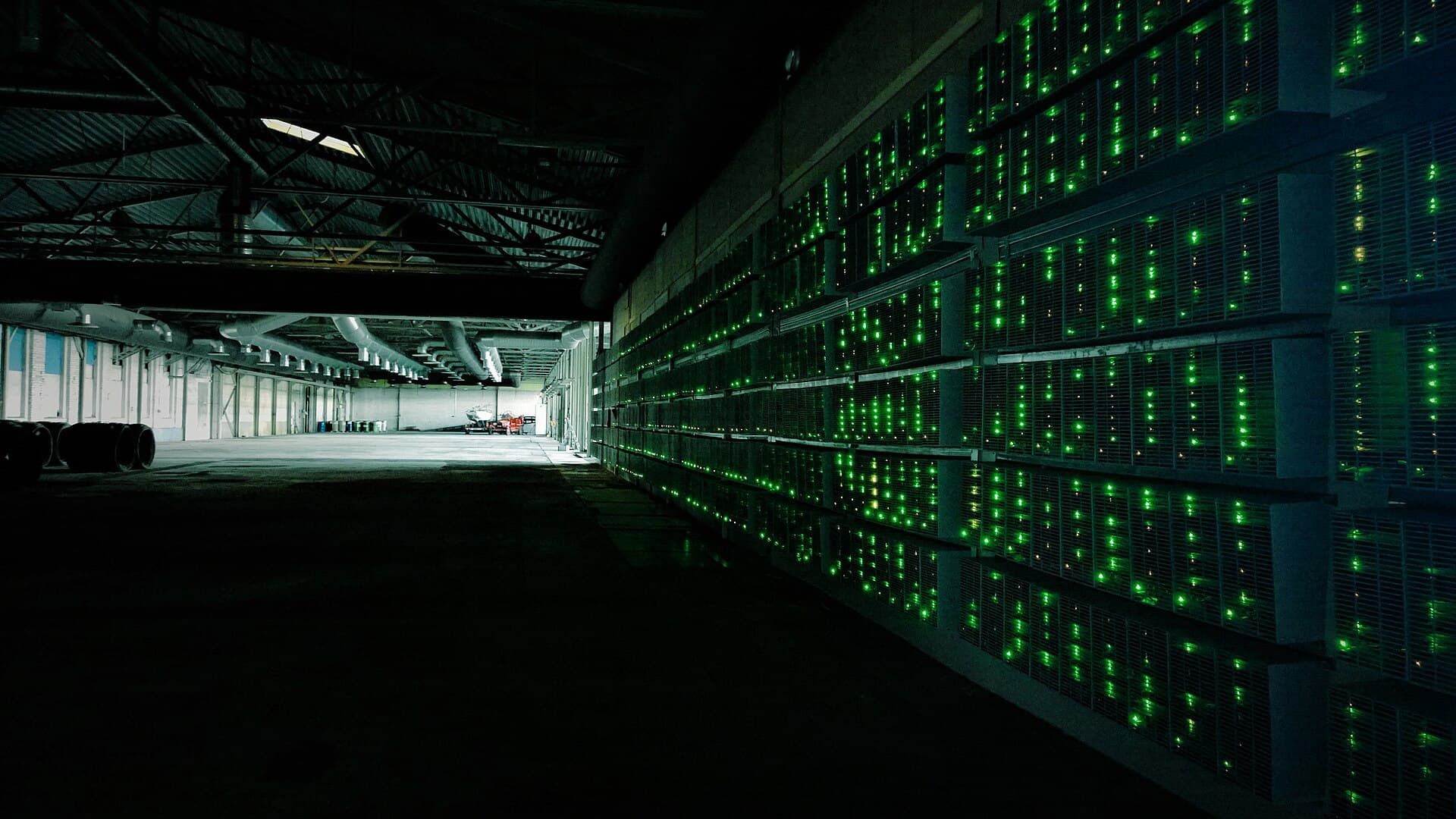
Cambridge's April 2025 Digital Mining Industry Report, a survey of 49 mining firms weighted by power use, put Norway at 2.8% of reported mining activity as of 30 June 2024, the largest share in Europe, where activity is concentrated in the Nordics. Cambridge points to Norway's heavily decarbonised grid; hydropower makes up about 88% of Norway's production capacity.
Nkom's register gives a more recent view. As of 28 April 2026, nine data-centre operators reported that some or all of their power would go to crypto mining, about 183 MW of subscribed capacity, roughly 20% of the subscribed capacity of all operating data centres in Norway.
Data centres in Norway received a reduced electricity tax rate from 2016. The government abolished it in the 2023 budget, judging that limiting support for crypto mining outweighed it, so data centres now pay the ordinary rate.
Since 1 January 2025, commercial data-centre operators, and operators of data centres with more than 0.5 MW subscribed power, must register with Nkom, the communications authority, including an estimate of how much of their power goes to crypto mining.
The government has said that EEA law makes a general ban on mining hard to justify. In autumn 2025 it began studying a temporary, limited ban on new power-intensive crypto data centres through a national planning provision. In February 2026 the Storting's energy and environment committee recommended asking the government for a proposal to ban new data centres for cryptocurrency, and the Storting adopted that request in March 2026. In May 2026 the minister said further measures were still being assessed.
As published by the sources listed below on the date they were checked. Rules change: confirm the current position with the authorities or a local adviser before you buy.
Orders are handled the same way for every destination and scale with quantity:
Where a product shows "Availability on request" or "Available", stock is not held in a warehouse; lead time is confirmed on your quotation.
Standard shipping to Norway is free on every order. If you need it faster, choose express shipping at checkout and we quote it before payment is requested.
Norway is outside the EU customs union. Imports must be declared to Tolletaten, the Norwegian Customs Service. Businesses must declare electronically through TVINN, Tolletaten's customs system, usually through a customs representative; private individuals may instead complete an import declaration at a customs office.
Import VAT is 25 percent for most goods. An importer registered in the VAT register calculates and reports import VAT in its VAT return to Skatteetaten, the Norwegian Tax Administration. An importer that is not registered, including private individuals and foreign companies, pays import VAT to Tolletaten at the time of import.
Every product is classified under a commodity number in the customs tariff, and the duty rates, fees and restrictions that apply are tied to that number, so any duty depends on the goods' classification and origin.
Beyond a few machines, the miners are one line of the bill of materials. Transformers, switchgear, PDUs, racking, cooling and containers are specified around the miner model and the site's supply voltage, and can be quoted as one procurement scope.
Checked on October 11, 2026.
Wholesale & project supply
Send models, quantity, destination and available electrical capacity. Sales replies with equipment options, delivery terms and lead time.