Bitmain
Antminer S23
AvailableNew
- Hashrate
- 305TH/s
- Power
- 3,355W
- Efficiency
- 11J/TH
- Air-cooled
- SHA-256
$7,931.55$26.01/TH
Market · 120/240 V split-phase, 120/208 V and 347/600 V three-phase, 60 Hz
Canadian supply is 60 Hz. Homes receive 120/240 V split-phase; commercial buildings are commonly 120/208 V, and industrial sites are commonly supplied at 347/600 V three-phase, a voltage that is specific to Canada.
Air-cooled miners with a 200–240 V input run on a 240 V circuit or line-to-line on 208 V. Neither 347 V nor 600 V is within the input range miner manufacturers publish, so industrial sites on 600 V service step down through transformers, typically to 240 V or to 415 V three-phase for hydro-cooled equipment. Transformers and PDUs can be quoted together with the miners.
| Supply | Connection | Listed miners that accept it |
|---|---|---|
| 120 V | Standard household outlet | 2 of 93 |
| 208 V | Line-to-line on 120/208 V three-phase | 23 of 93 |
| 240 V | Residential split-phase 240 V circuit | 53 of 93 |
| 347 V | Line-to-neutral on 347/600 V three-phase | None — outside published input ranges |
| 600 V three-phase | Line-to-line on 347/600 V | None — outside published input ranges |
Counted from the input-voltage range stated for each miner, for the 93 listed miners with a stated range. Nominal supply values; actual site voltage varies. Have a qualified electrician confirm your supply, breakers and cabling.
Canada's cold climate is an advantage for air cooling: for much of the year outside air is far below any miner's maximum intake temperature. The design problems are the opposite of a desert site: intake air in deep winter can be colder than the minimum operating temperature manufacturers publish, so sites recirculate a share of exhaust air to temper the intake, and must keep snow and moisture out of the airflow.
Lowest J/TH among listed models whose published input range includes a standard Canadian supply voltage.
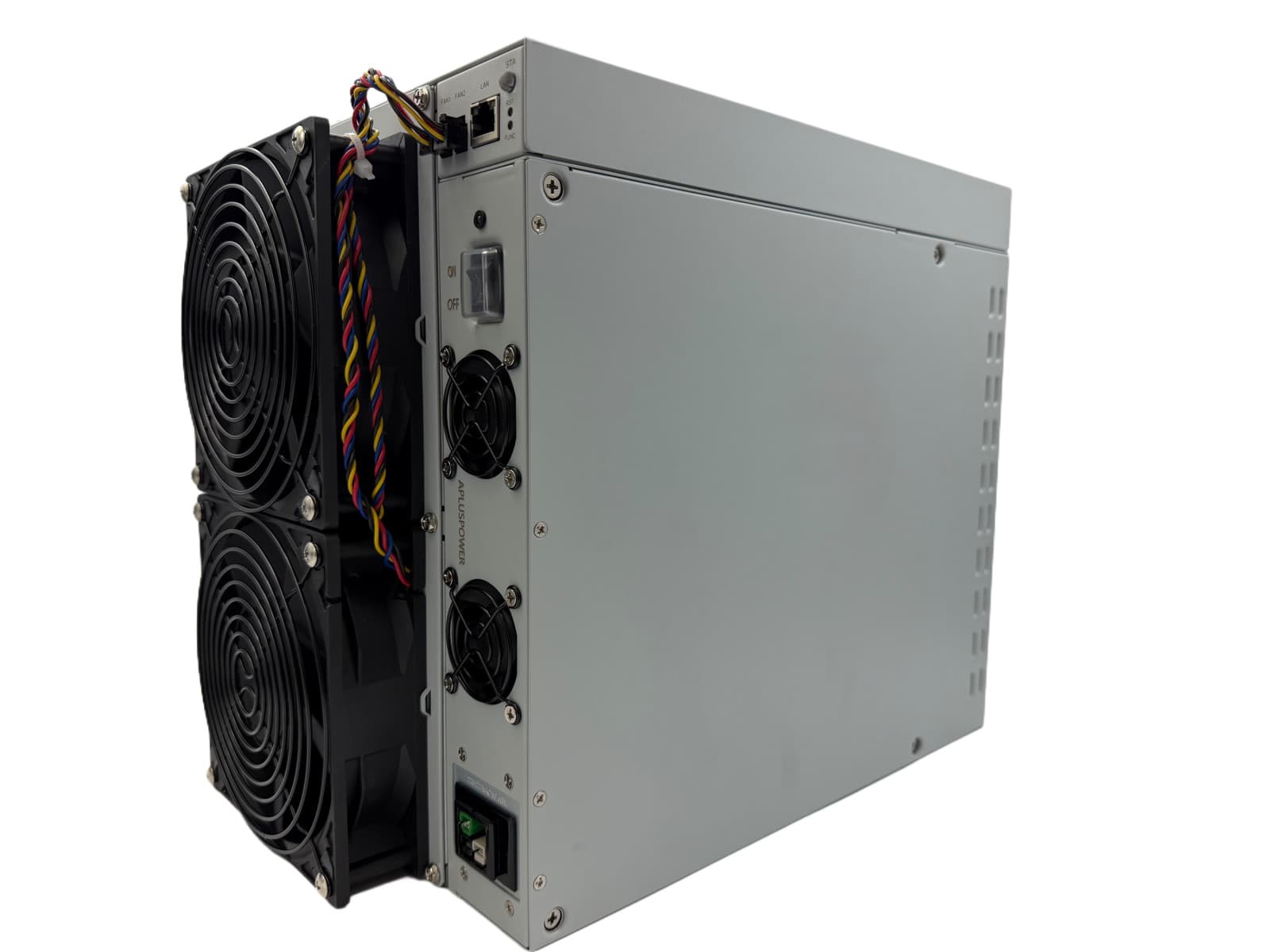
Bitmain
$7,931.55$26.01/TH
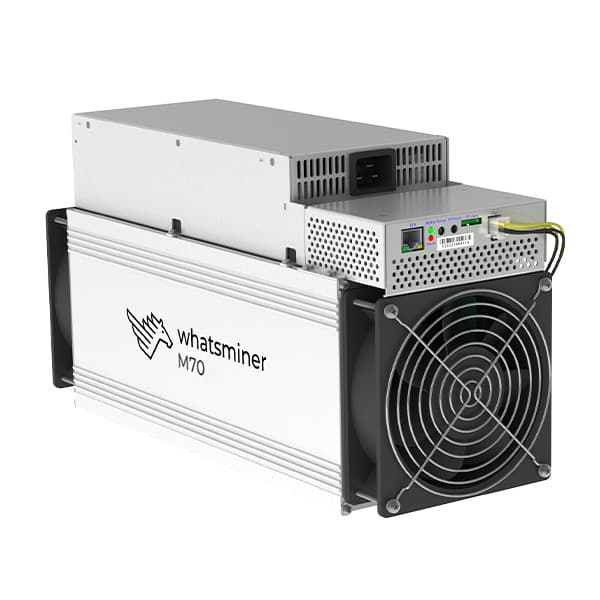
Canaan
$5,699.05$19/TH
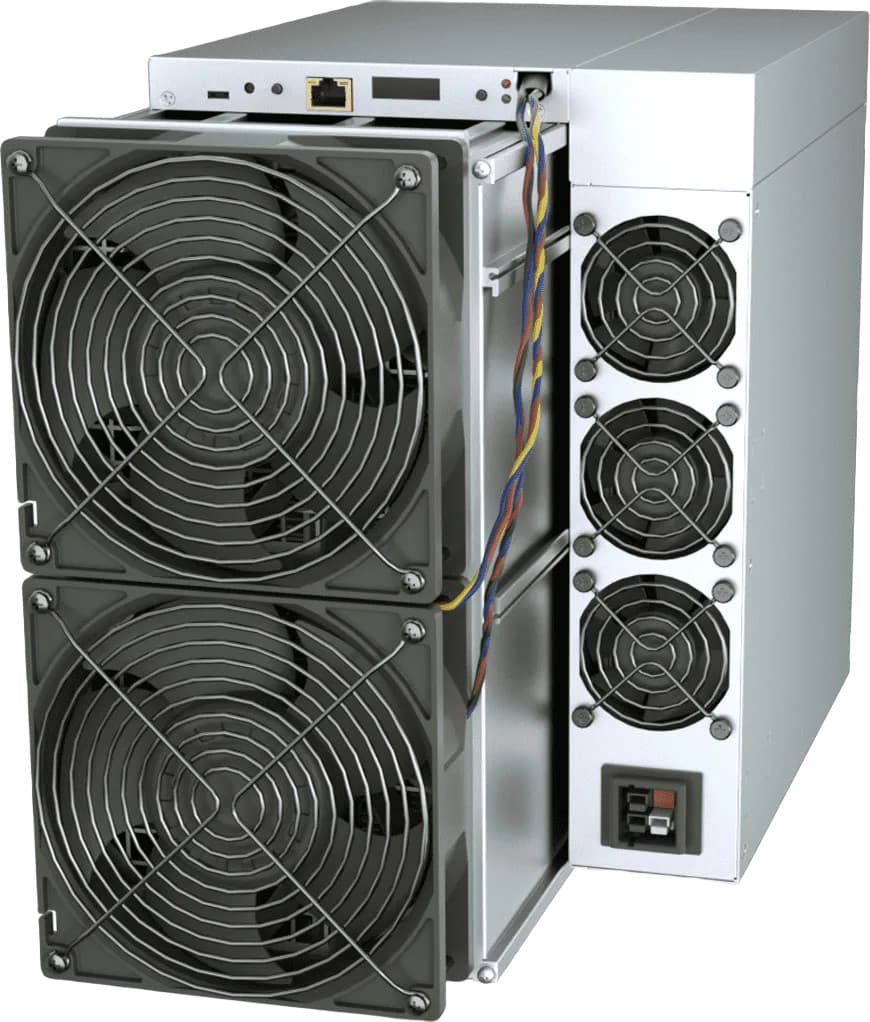
MicroBT
$3,062.80$12.35/TH
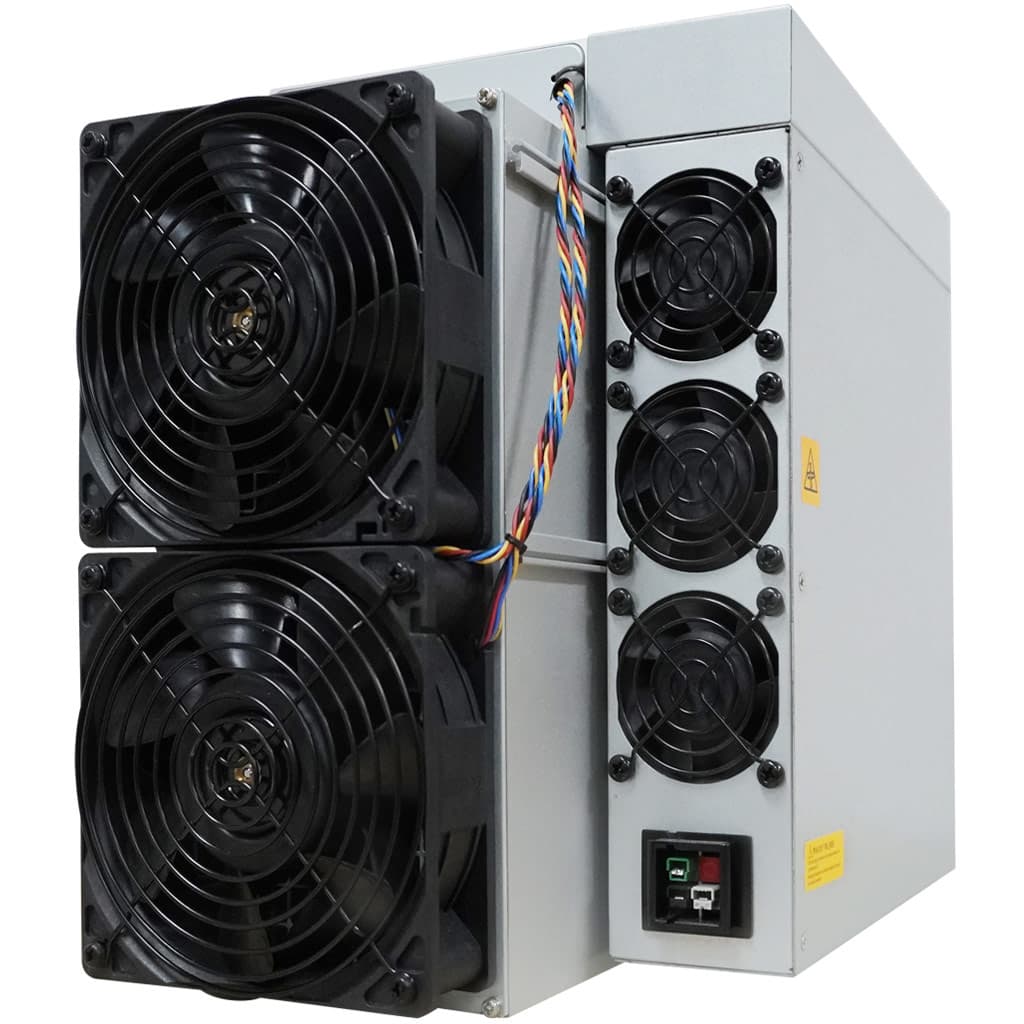
Bitmain
$2,944.05$10.9/TH
In the Cambridge Digital Mining Industry Report (April 2025), a survey of 49 mining firms with data as of 30 June 2024, Canada ranked second with 7.1% of reported mining activity, weighted by power consumption, behind the United States; the authors note the respondent base was centred on the United States. Heat reuse is documented: a 2021 Braiins article, cited in the Cambridge report, describes MintGreen using immersion-cooled miners on Vancouver Island to heat evaporation tanks for Vancouver Island Sea Salt and to supply heat for the mash process at the Shelter Point Distillery.
The Canada Revenue Agency's crypto-asset guidance (pages updated 10 November 2025) says that in most cases mining is carrying on a business because of the scale and resources involved; mining income must be included in business income when earned, and ASIC miners can fall within capital cost allowance class 50. Non-residents mining in Canada may be carrying on business in Canada and have to file a Canadian return.
For GST/HST, section 188.2 of the Excise Tax Act, in force since 5 February 2022, treats a person mining as generally not engaged in commercial activity: no GST/HST is collected on mining payments, and no input tax credits can be claimed in relation to the mining activity. An exception may apply where mining is performed for another person whose identity is known.
As published by the sources listed below on the date they were checked. Rules change: confirm the current position with the authorities or a local adviser before you buy.
Orders are handled the same way for every destination and scale with quantity:
Where a product shows "Availability on request" or "Available", stock is not held in a warehouse; lead time is confirmed on your quotation.
Standard shipping to Canada is free on every order. If you need it faster, choose express shipping at checkout and we quote it before payment is requested.
Commercial imports are declared to the Canada Border Services Agency (CBSA). The goods' tariff classification number, together with their country of origin, sets the tariff treatment and so the duty rate. The Goods and Services Tax (GST), a federal tax, applies to most imported goods at 5% and is calculated on the value of the goods plus duties.
To import commercially, every importer needs an account in the CBSA Assessment and Revenue Management (CARM) Client Portal, a nine-digit business number and an import program (RM) account; non-resident importers must obtain their business number from the Canada Revenue Agency before registering in CARM. Because mining is generally not a commercial activity for GST/HST purposes, input tax credits generally cannot be claimed for GST paid in relation to mining.
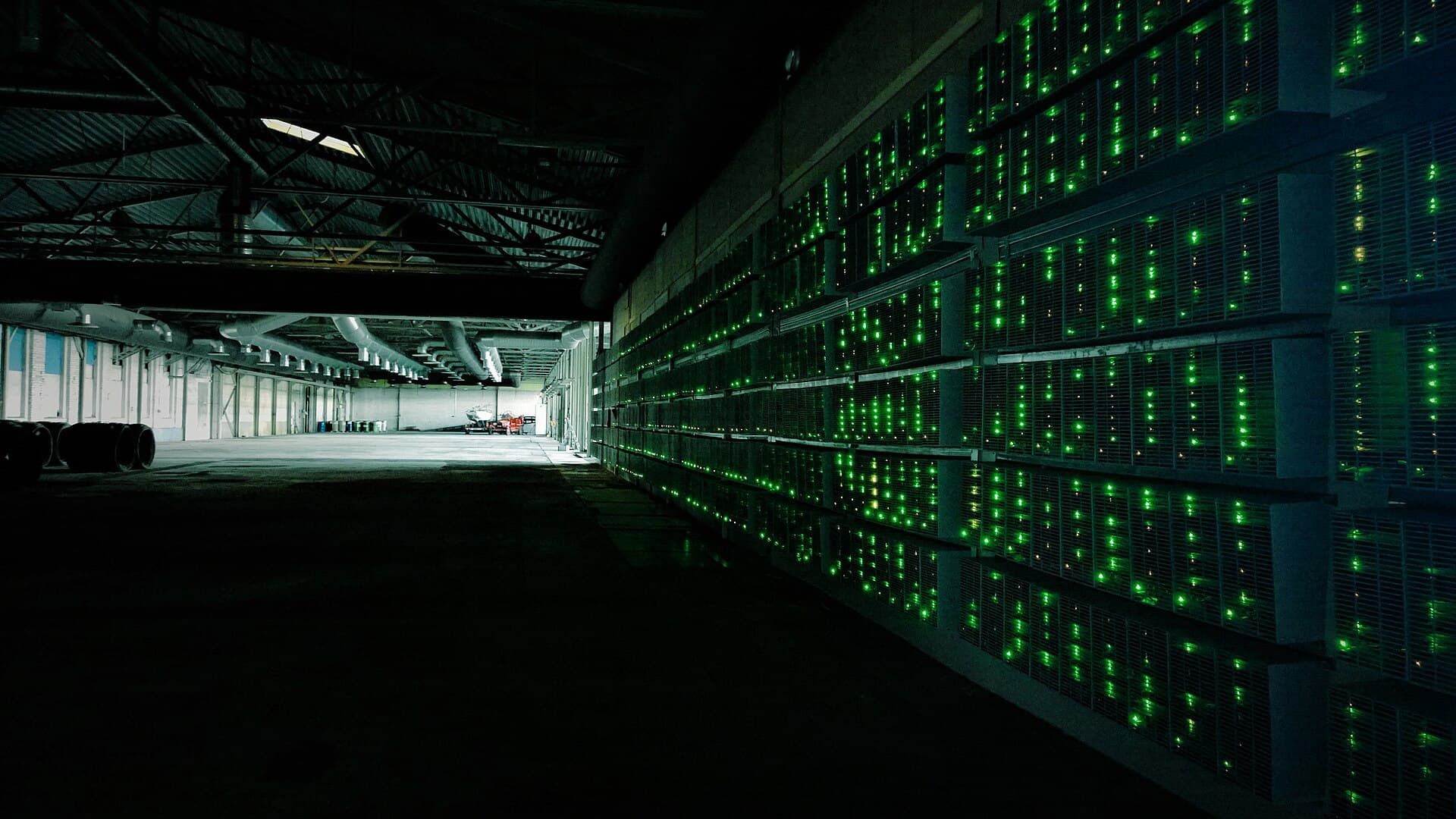
Beyond a few machines, the miners are one line of the bill of materials. Transformers, switchgear, PDUs, racking, cooling and containers are specified around the miner model and the site's supply voltage, and can be quoted as one procurement scope.
Checked on October 11, 2026.
Wholesale & project supply
Send models, quantity, destination and available electrical capacity. Sales replies with equipment options, delivery terms and lead time.