Bitmain
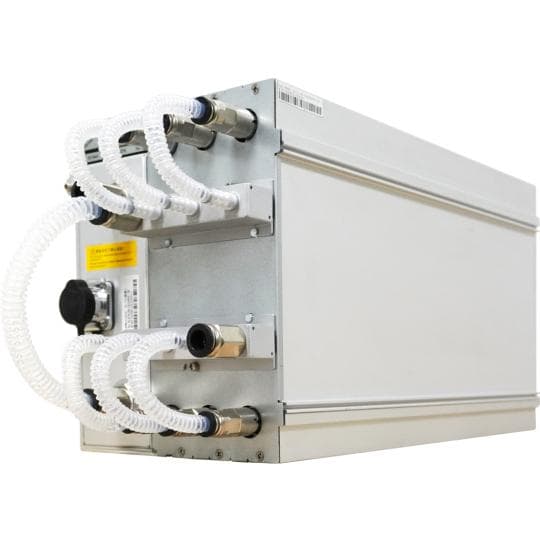
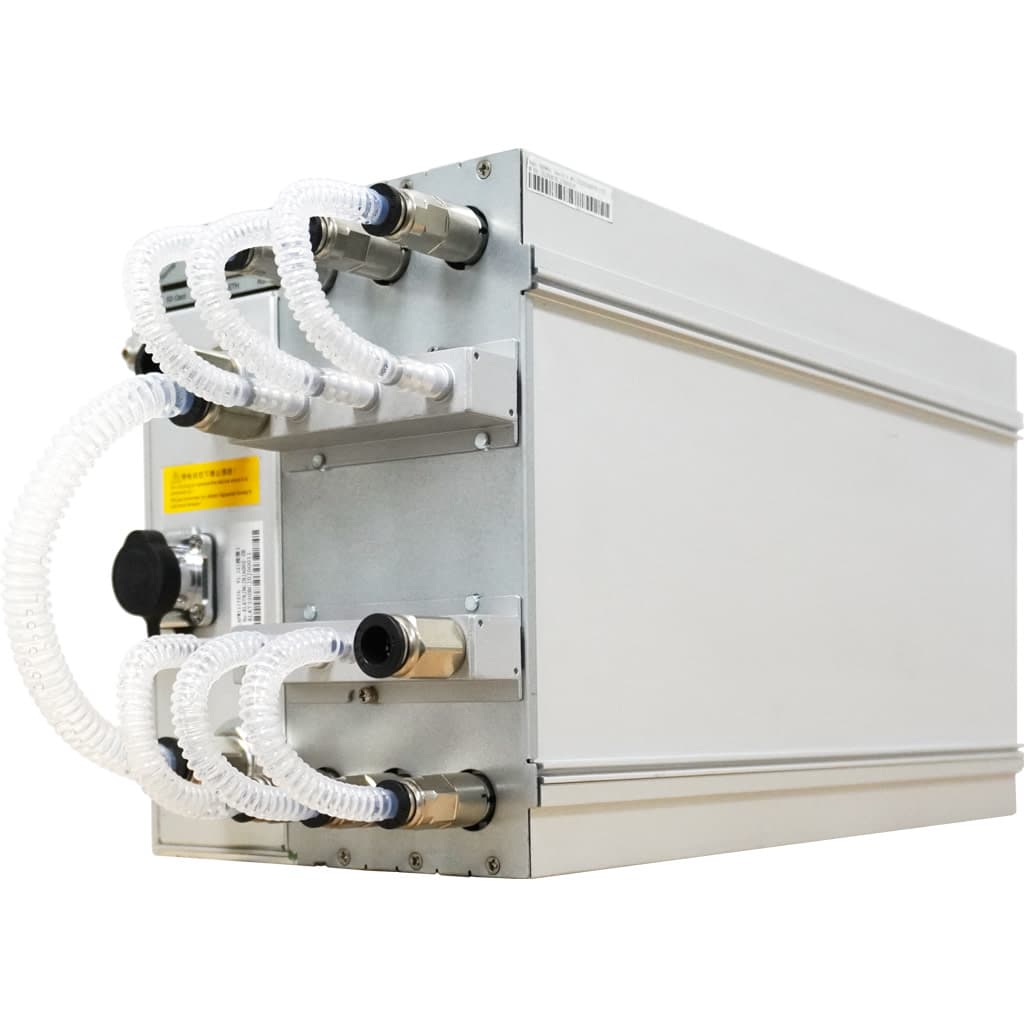
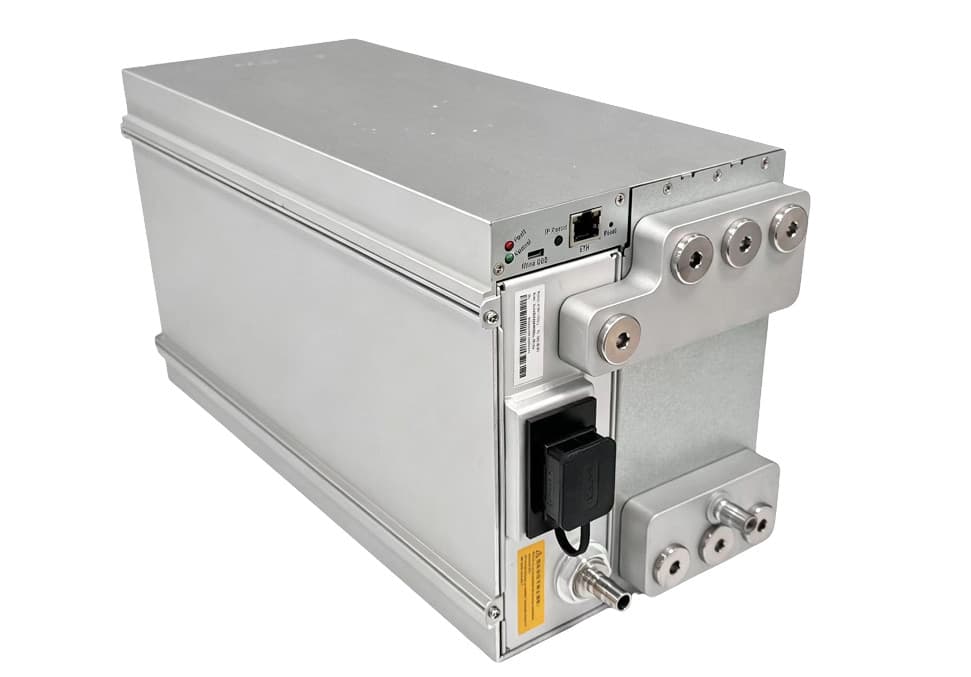
Antminer S23 XP Hyd.
AvailableNew
- Hashrate
- 600TH/s
- Power
- 5,340W
- Efficiency
- 8.9J/TH
- Hydro-cooled
- SHA-256
$14,535$24.23/TH
Market · 220/380 V, 50 Hz
Georgia's mains supply is 220 V single-phase and 380 V three-phase at 50 Hz, according to the mains electricity table that draws on IEC data. Sockets are Type C and Type F. A Type F (Schuko) socket is rated 16 A, and a Type C Europlug only 2.5 A.
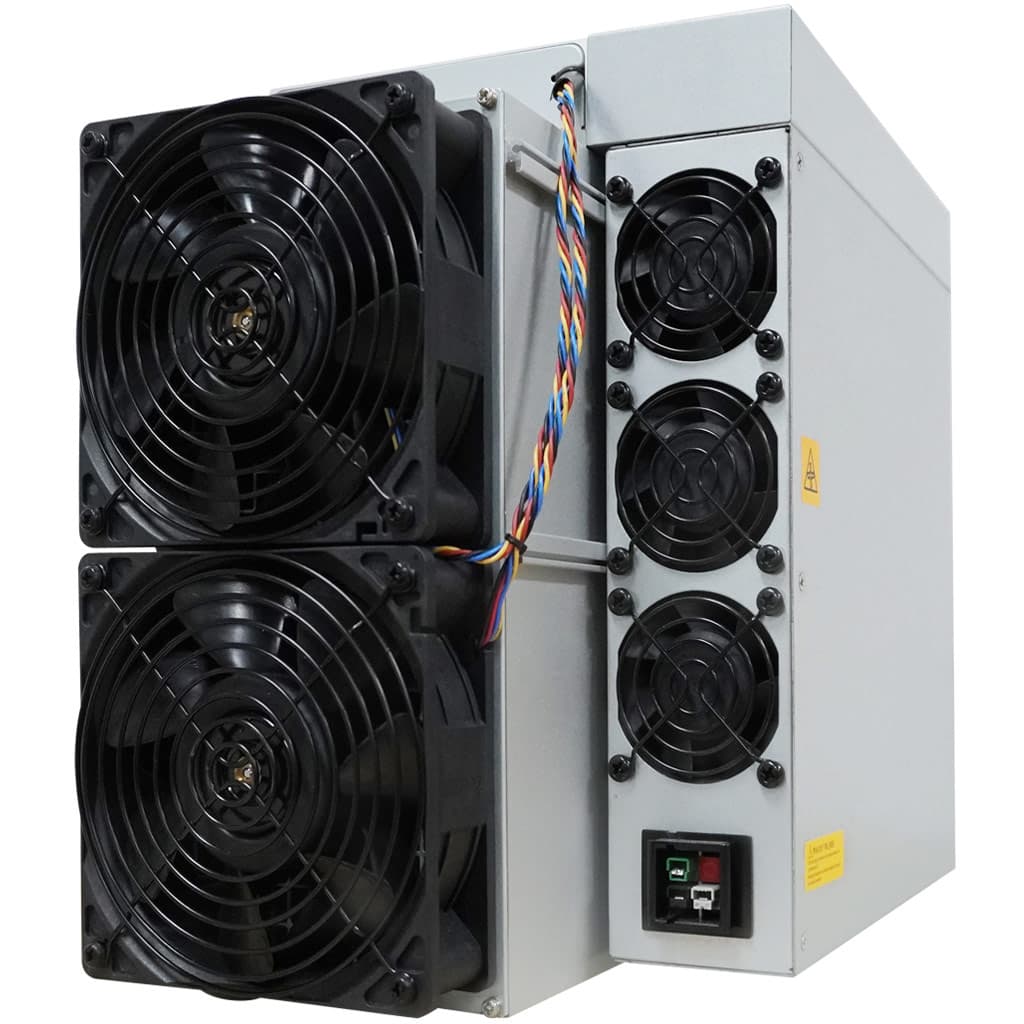
At 220 V a large air-cooled miner drawing 3–3.6 kW takes roughly 14–16.5 A, which can exceed the 16 A rating of a Type F socket. A household socket is therefore not the place for it: each machine needs a dedicated 16 A or 32 A circuit, or an industrial socket on a properly sized distribution board.
Air-cooled miners with a 200–240 V input run from a single phase at 220 V. On a three-phase supply each phase to neutral is 220 V, so several units can be spread evenly across the three phases. Hydro-cooled miners built for 380–415 V three-phase connect line to line on the 380 V supply, at the bottom of their input range. For anything beyond a few machines, confirm the available capacity with the distribution company and have a licensed electrician design the installation.
| Supply | Connection | Listed miners that accept it |
|---|---|---|
| 220 V | Phase to neutral; Type C and F sockets. | 53 of 93 |
| 380 V three-phase | Line to line. | 40 of 93 |
Counted from the input-voltage range stated for each miner, for the 93 listed miners with a stated range. Nominal supply values; actual site voltage varies. Have a qualified electrician confirm your supply, breakers and cabling.
Georgia's climate combines humid influences from the west with continental influences from the east. In the western lowlands, where a subtropical climate with high humidity and heavy precipitation dominates, the midwinter average is 5 °C and the midsummer average 22 °C. On the eastern plain, summers average 20–24 °C and winters 2–4 °C. In Tbilisi, the July mean daily maximum is 31.2 °C (1991–2020 data).
For air cooling, plan generous airflow for summer afternoons and keep hot exhaust away from the intake. The humid west calls for attention to condensation and corrosion: avoid drawing in saturated air, and keep rain out of the intake. In the drier east, dust filtration matters more. No documented heat-reuse project in Georgia was found.
Lowest J/TH among listed models whose published input range includes a standard Georgian supply voltage.
Bitmain
$14,535$24.23/TH
Bitmain
$11,684.05$20.14/TH
Bitmain
$7,931.55$26.01/TH
Bitmain
$8,359.05$17.41/TH
Hashrate Index's Global Hashrate Heatmap for Q4 2026 (5 October 2026) puts Georgia at about 11 EH/s, against a global network of about 941 EH/s; its Q3 2026 edition (16 July 2026) recorded Georgia up 22% year on year.
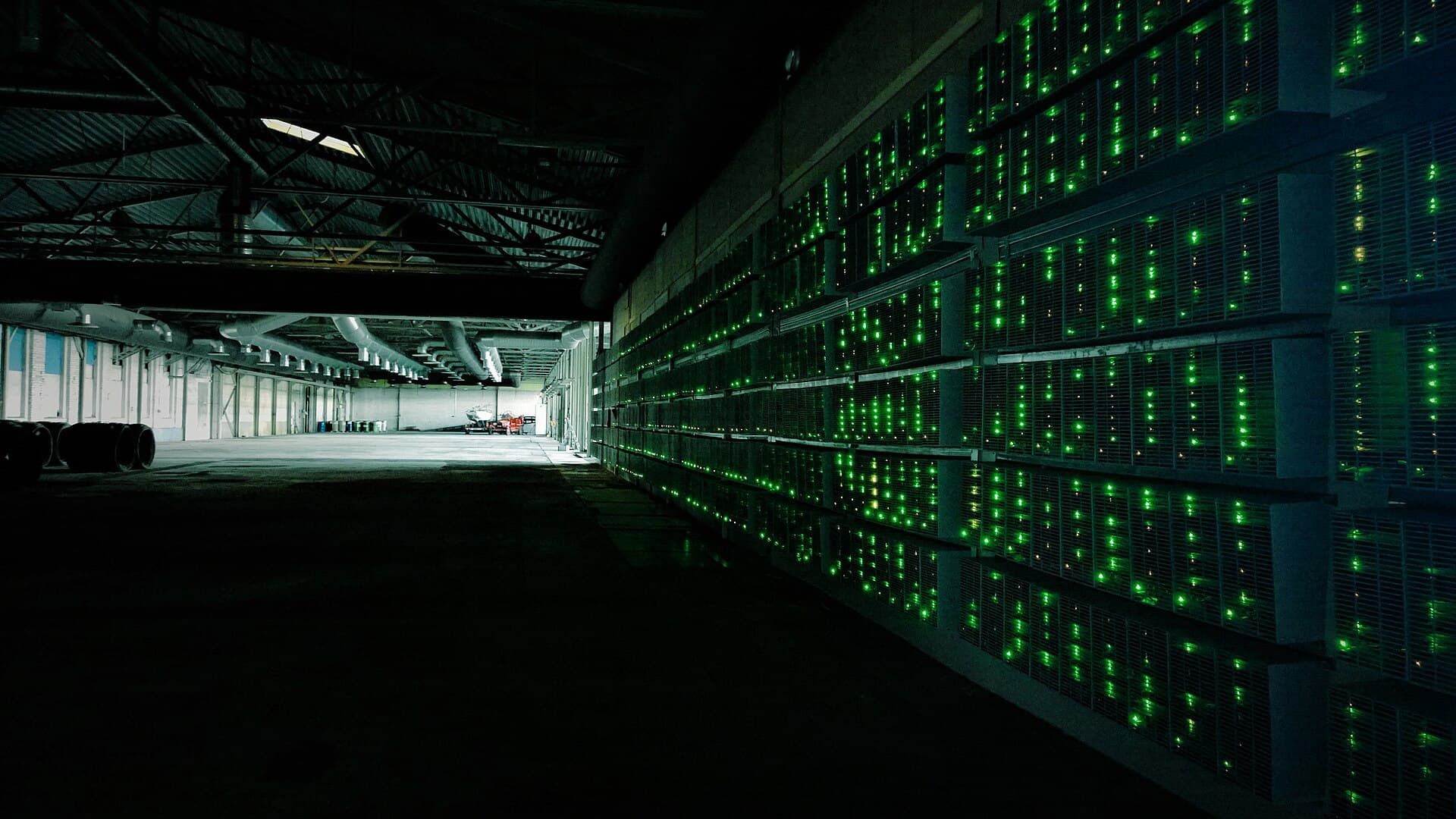
Data from the national energy regulator, reported by Georgia Today in March 2025, show mining companies used 465 million kWh in 2024, a six-fold rise on the year before, with growth concentrated in the free industrial zones of Tbilisi and Kutaisi, where electricity is exempt from VAT. Georgia's electricity is mostly hydroelectric: K33 Research gave 76% hydro and 23% natural gas in February 2022, and described Bitfury's 55 MW facility on the outskirts of Tbilisi, operating since 2016, with air-cooled halls and immersion-cooled containers.
K33 Research reported in February 2022 that Georgia had no specific regulations on cryptocurrency mining. Tax treatment follows a Ministry of Finance public decision of 28 June 2019: individuals pay no income tax on gains from selling cryptocurrency; hash power sold from Georgia abroad is not subject to VAT; hash power sold between Georgian residents is, and hash power a Georgian resident buys from abroad is subject to reverse-charge VAT.
In June 2026 the government began cracking down on illegal mining in Svaneti's Mestia municipality, where households get free electricity. The government said power there would stay free up to a limit, with a tariff above it; the Interior Ministry reported seizing 148 devices, and offenders could face up to three years in prison if found guilty.
Abkhazia, outside Tbilisi's control since the early 1990s, sets its own rules: a mining ban from December 2018 was replaced in September 2020 by permits, consumption limits, higher tariffs and taxes on miners.
As published by the sources listed below on the date they were checked. Rules change: confirm the current position with the authorities or a local adviser before you buy.
Orders are handled the same way for every destination and scale with quantity:
Where a product shows "Availability on request" or "Available", stock is not held in a warehouse; lead time is confirmed on your quotation.
Standard shipping to Georgia is free on every order. If you need it faster, choose express shipping at checkout and we quote it before payment is requested.
Customs in Georgia are administered by the Revenue Service, a legal entity of public law under the Ministry of Finance, which runs the customs checkpoints and customs clearance zones. According to the U.S. Commercial Service, imports require at least a declaration, an invoice and transport documents.
The Tax Code sets the VAT rate at 18%, and VAT on imported goods is paid under the procedure for paying import tax; the Revenue Service is the body that enforces the tax legislation. Customs tariffs and exemptions are defined in the Tax Code, and the duty on any product depends on its classification and origin; the Revenue Service publishes a tariff calculator. No official classification ruling, import permit or certification requirement specific to mining machines was found.
Beyond a few machines, the miners are one line of the bill of materials. Transformers, switchgear, PDUs, racking, cooling and containers are specified around the miner model and the site's supply voltage, and can be quoted as one procurement scope.
Checked on October 11, 2026.
Wholesale & project supply
Send models, quantity, destination and available electrical capacity. Sales replies with equipment options, delivery terms and lead time.