Bitmain
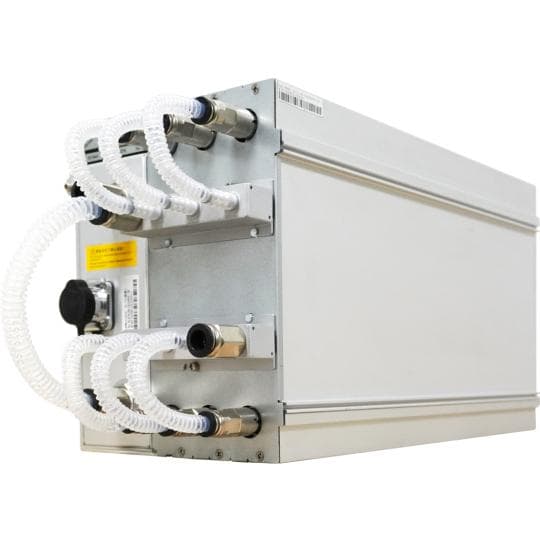
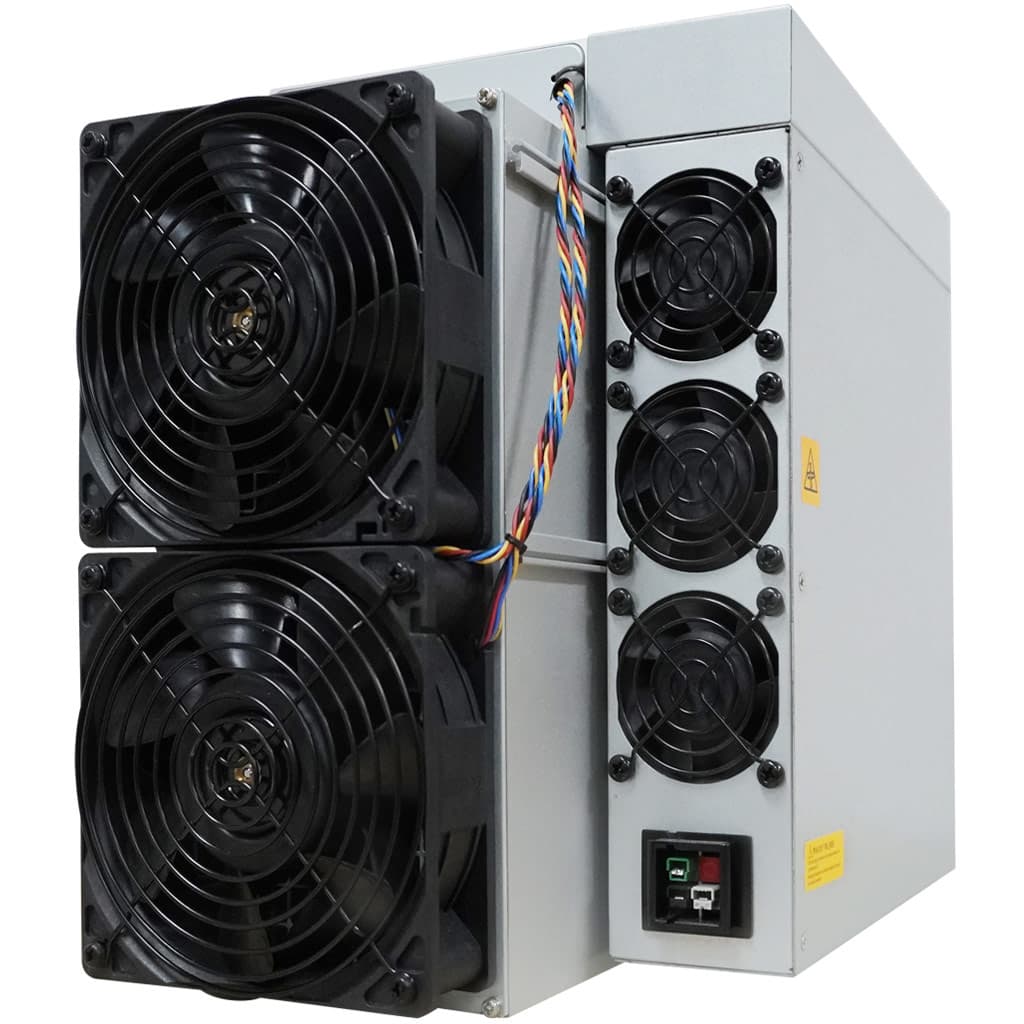
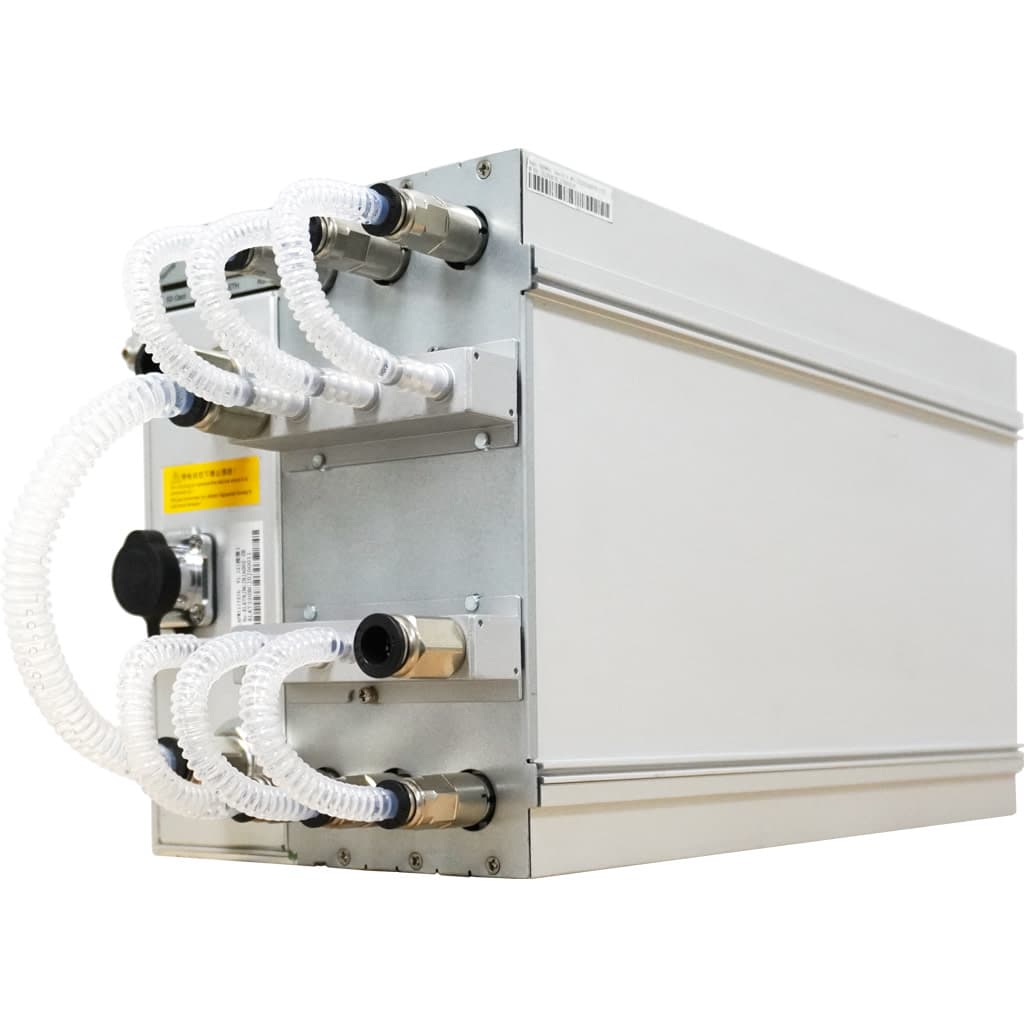
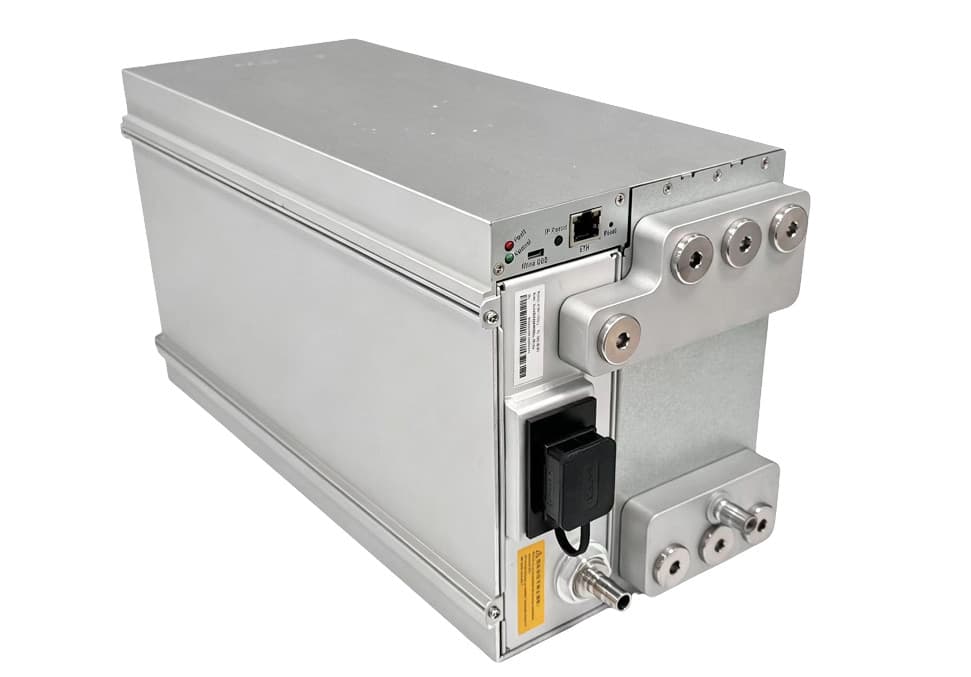
Antminer S23 XP Hyd.
AvailableNew
- Hashrate
- 600TH/s
- Power
- 5,340W
- Efficiency
- 8.9J/TH
- Hydro-cooled
- SHA-256
$14,535$24.23/TH
Market · 230/400 V, 50 Hz
South Africa's nominal low-voltage supply is 230/400 V at 50 Hz: 230 V single-phase and 400 V three-phase line-to-line. Plugs and sockets follow the national standard SANS 164. Types M and N are used alongside the small type C; type N (SANS 164-2), adopted in 1992 and designated the preferred standard in 2013, is rated 16 A. A miner drawing 3–3.6 kW takes about 13–16 A at 230 V continuously, at the limit of a 16 A socket, so give each miner a dedicated 16 A or 32 A circuit with an industrial socket or a hard-wired PDU.
Air-cooled miners with a 200–240 V or 220–277 V input run line-to-neutral at 230 V. Hydro-cooled miners specified for 380–415 V three-phase match the 400 V supply directly.
Supply reliability belongs in the plan. South Africa has had rolling national power cuts, known as load shedding, since late 2007, with more than 200 days of cuts in 2022. Cuts ended in March 2024 and returned in early 2025. Confirm capacity and the connection with the utility and a licensed electrician.
| Supply | Connection | Listed miners that accept it |
|---|---|---|
| 230 V | Line-to-neutral | 53 of 93 |
| 400 V three-phase | Line-to-line | 40 of 93 |
Counted from the input-voltage range stated for each miner, for the 93 listed miners with a stated range. Nominal supply values; actual site voltage varies. Have a qualified electrician confirm your supply, breakers and cabling.
The South African government describes a subtropical climate moderated by ocean on three sides, with temperatures generally lower than in other countries at similar latitudes. On the interior plateau, altitude (Johannesburg lies at 1,694 m) keeps average summer temperatures below 30 °C, while winter nights can drop to freezing point or lower in some places. Coastal regions are relatively warm in winter, and temperatures on the east and west coasts differ sharply. The Western Cape gets most of its rain in winter; the rest of the country is mainly a summer-rainfall region.
For air cooling, the interior plateau suits outside air for much of the year, but on winter nights intake air can fall below the minimum operating temperature some manufacturers publish, so recirculate part of the exhaust air to temper the intake. In summer-rainfall areas, keep rain and storm moisture out of the airflow.
Lowest J/TH among listed models whose published input range includes a standard South African supply voltage.
Bitmain
$14,535$24.23/TH
Bitmain
$11,684.05$20.14/TH
Bitmain
$7,931.55$26.01/TH
Bitmain
$8,359.05$17.41/TH
SARS applies normal income tax rules to crypto assets, and its guidance names mining as one way of acquiring them. Taxpayers must declare crypto-related taxable income in the year it is received or accrued; whether a gain is revenue or capital is decided under existing case law, and failing to declare can lead to interest and penalties. SARS first set out its stance in a media release on 6 April 2018 and, on 20 March 2026, published FAQs on crypto tax changes announced in the 2026 Budget.
As published by the sources listed below on the date they were checked. Rules change: confirm the current position with the authorities or a local adviser before you buy.
Orders are handled the same way for every destination and scale with quantity:
Where a product shows "Availability on request" or "Available", stock is not held in a warehouse; lead time is confirmed on your quotation.
Standard shipping to South Africa is free on every order. If you need it faster, choose express shipping at checkout and we quote it before payment is requested.
Customs is run by the South African Revenue Service (SARS), whose clearance process includes the assessment and collection of duty and VAT. VAT is levied at the standard rate of 15% and is also payable on imported goods. Importers declare to Customs what they bring into the country and register as importers through SARS's Registration, Licensing and Accreditation (RLA) system on eFiling; since November 2025 private individuals who reach the value limit of the general customs code must first apply for their own customs code.
Certain goods need an import permit, produced at clearance; permits for restricted goods come from the International Trade Administration Commission (ITAC), and Customs may also detain goods for other government departments. Customs duties are imposed under the Customs and Excise Act 91 of 1964 and depend on the goods' classification and origin.
Beyond a few machines, the miners are one line of the bill of materials. Transformers, switchgear, PDUs, racking, cooling and containers are specified around the miner model and the site's supply voltage, and can be quoted as one procurement scope.
Checked on October 11, 2026.
Wholesale & project supply
Send models, quantity, destination and available electrical capacity. Sales replies with equipment options, delivery terms and lead time.