Bitmain
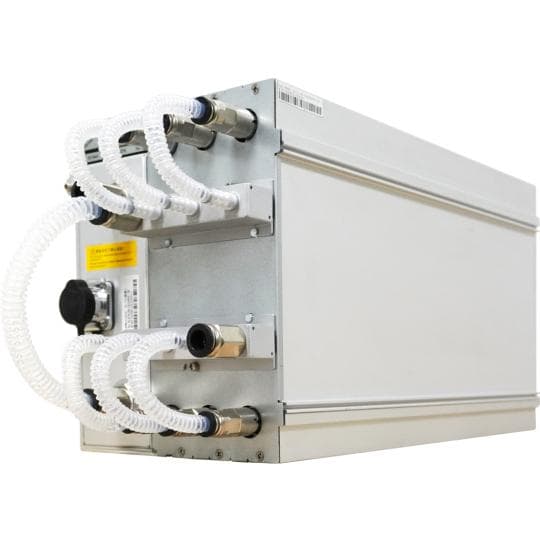
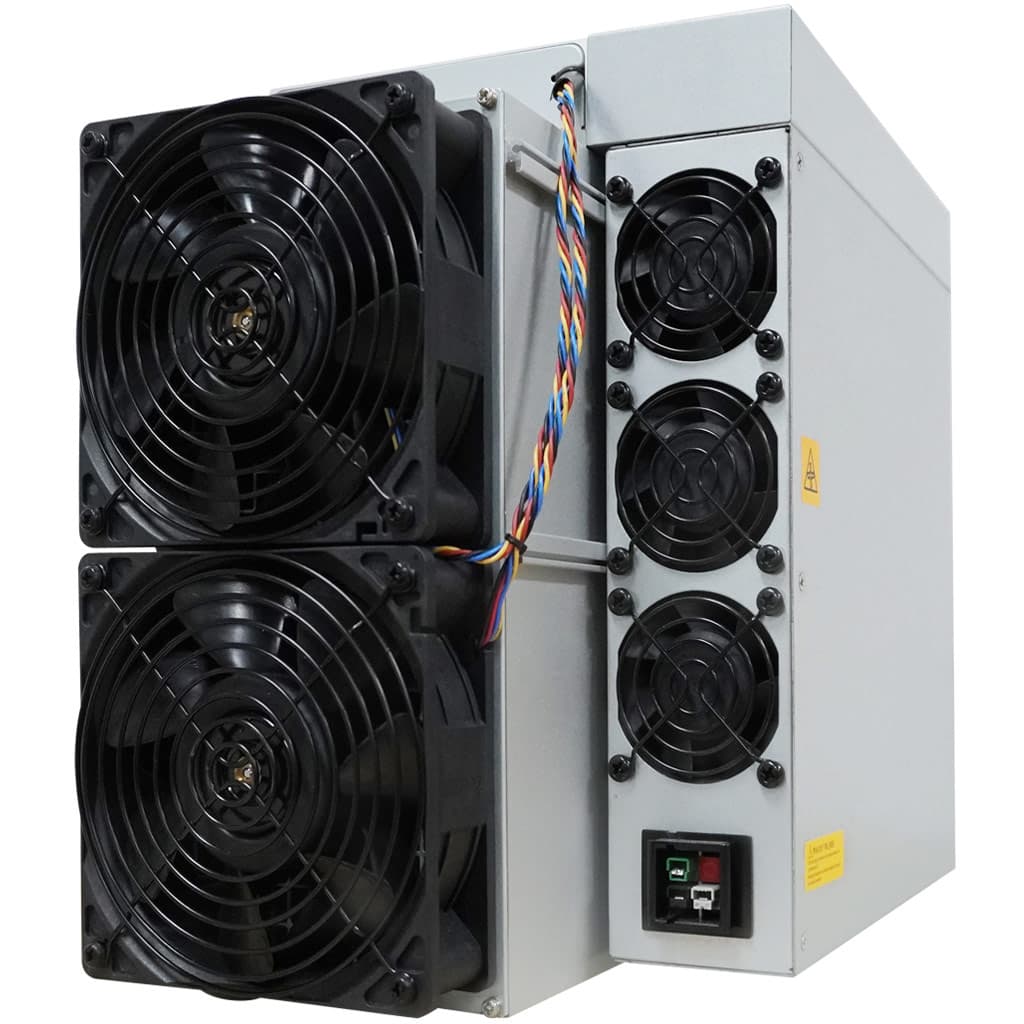
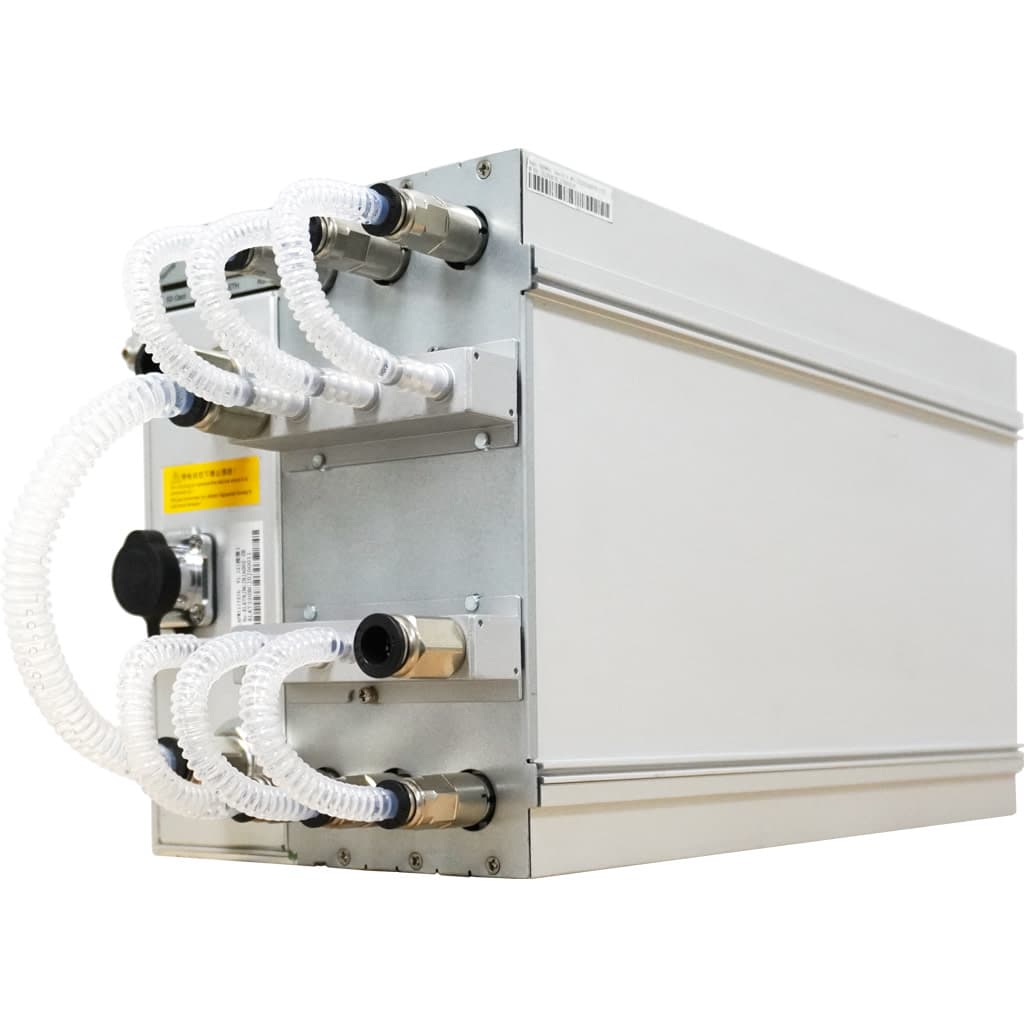
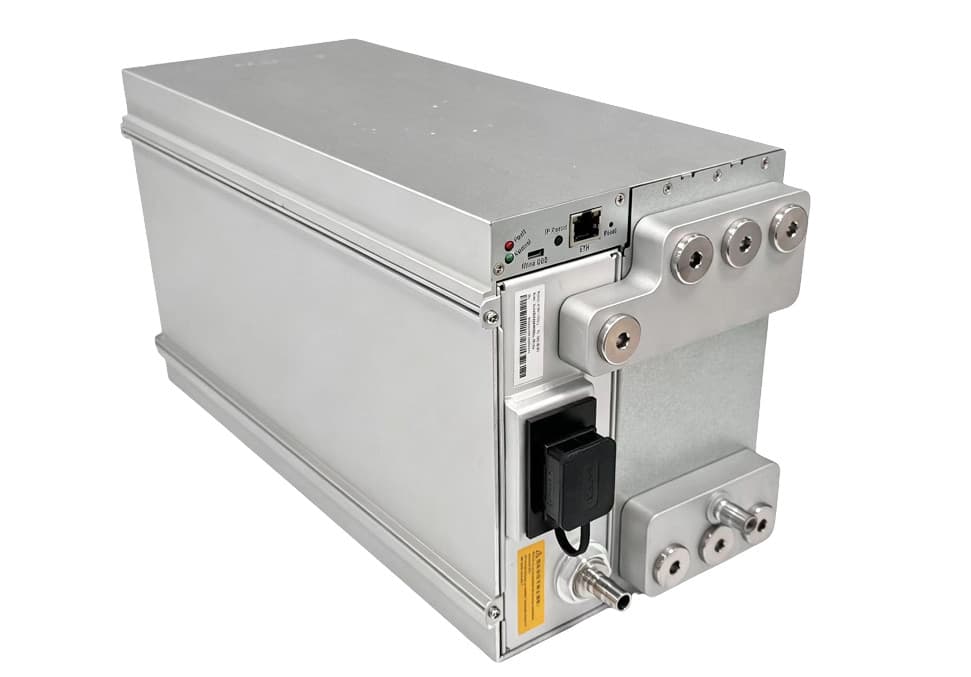
Antminer S23 XP Hyd.
AvailableNew
- Hashrate
- 600TH/s
- Power
- 5,340W
- Efficiency
- 8.9J/TH
- Hydro-cooled
- SHA-256
$14,535$24.23/TH
Market · 220/380 V, 50 Hz
Ethiopia's nominal low-voltage supply is 220/380 V at 50 Hz: 220 V single-phase and 380 V three-phase line-to-line. Sockets follow European and Italian patterns (types C, E, F and L), and none of them suits a large air-cooled miner. A Europlug (type C) is rated 2.5 A and the Italian type L 10 A or 16 A, while a 3.6 kW miner draws about 16 A at 220 V, the full rating of a 16 A Schuko (type F) socket. Give each miner a dedicated circuit with an industrial socket or a hard-wired PDU.
Air-cooled miners with a 200–240 V or 220–277 V input run line-to-neutral on the 220 V phase of a three-phase supply. Hydro-cooled miners specified for 380–415 V three-phase connect at 380 V, the bottom of that range, so check that the voltage under load stays above the miner's minimum.
Large mining loads are not ordinary grid connections in Ethiopia. Power for mining has been sold by the state utility, Ethiopian Electric Power, under power purchase agreements after operators were screened by a government task force, and the utility has stopped signing new mining contracts (see Regulation). Confirm the supply with the utility and a licensed electrician before buying.
| Supply | Connection | Listed miners that accept it |
|---|---|---|
| 220 V | Line-to-neutral | 53 of 93 |
| 380 V three-phase | Line-to-line | 40 of 93 |
Counted from the input-voltage range stated for each miner, for the 93 listed miners with a stated range. Nominal supply values; actual site voltage varies. Have a qualified electrician confirm your supply, breakers and cabling.
The Ethiopian Meteorological Institute describes three seasons: the short Belg rains from February to May, the main Kiremt rainy season from June to September, and Bega, a mostly dry season from October to January with cool nights and early mornings over the highlands and hot days elsewhere. In 2024 the institute recorded extreme maximum temperatures above 42 °C at lowland stations such as Gambella, Gode, Metema and Semera, while highland stations including Debrezeit, Jimma and Alemaya recorded minimums below 2 °C.
For air cooling the site decides the design. In the lowlands, intake air can exceed the maximum intake temperature published for an air-cooled miner (shown on each product page), so conditioned or evaporatively cooled intake air, or hydro cooling, is needed. Highland sites run cooler but must keep Kiremt rain and humidity out of the airflow, and on cold Bega mornings may need warm exhaust air recirculated to temper the intake.
Lowest J/TH among listed models whose published input range includes a standard Ethiopian supply voltage.
Bitmain
$14,535$24.23/TH
Bitmain
$11,684.05$20.14/TH
Bitmain
$7,931.55$26.01/TH
Bitmain
$8,359.05$17.41/TH
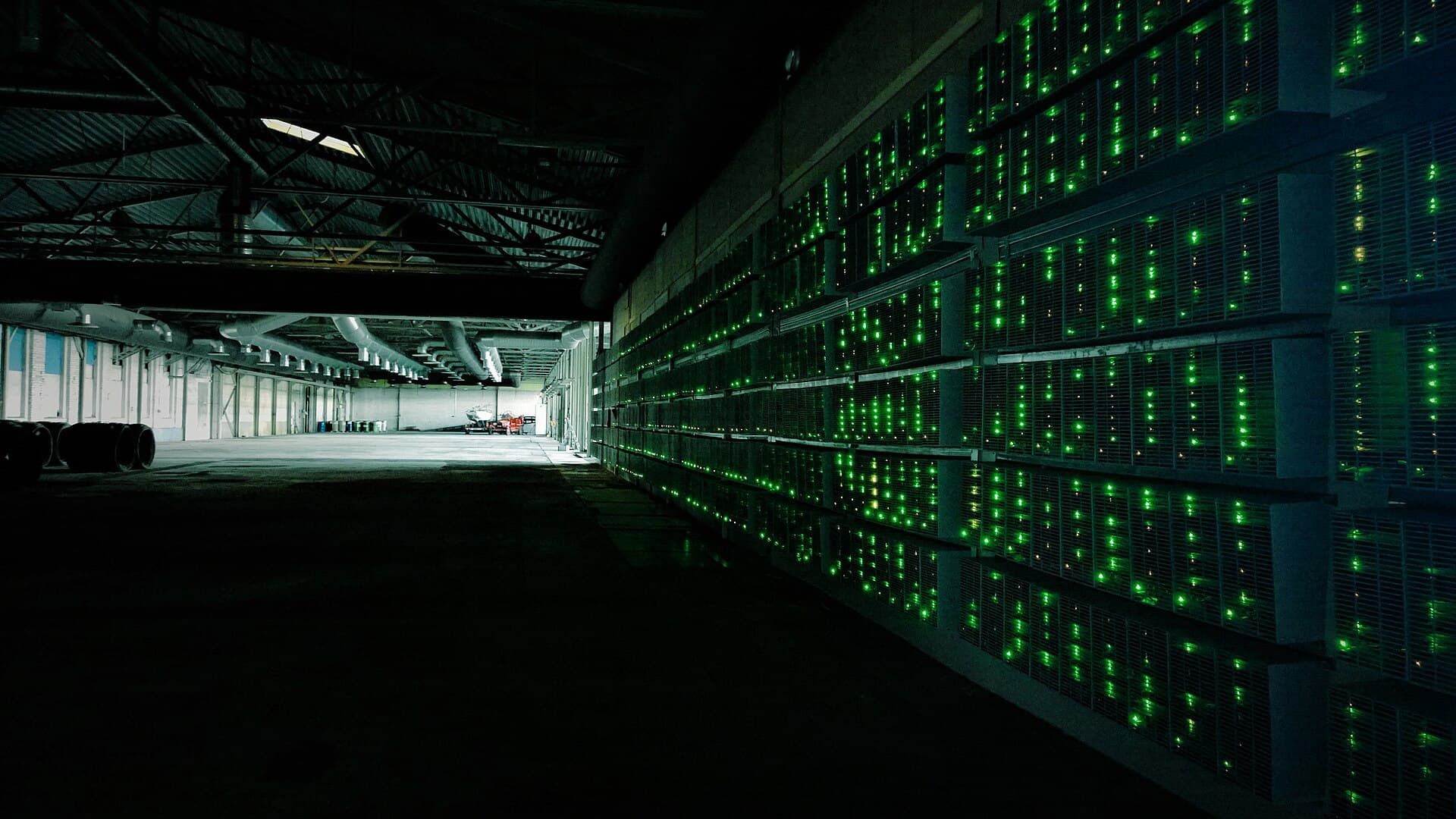
Ethiopia's mining industry grew on hydroelectric power, and it is Africa's largest Bitcoin mining market. Hashrate Index estimated its share of global hashrate at 2.6% (about 27.5 EH/s) in January 2026, eighth in the world. After Ethiopian Electric Power cut supply to miners on 15 September 2026, the Hashrate Index Q4 2026 heatmap (published 5 October 2026) put Ethiopia at about 1.6% (around 15 EH/s), tenth, and expected a further fall unless reservoir inflows recover.
The Edge Malaysia reported in September 2026 that miners used almost a third of Ethiopia's 9,730 MW national output and accounted for 35% of the utility's revenue in the previous financial year. Hashrate Index also names political instability and intermittent conflict as a long-term risk for large deployments.
Bitcoin mining is licensed in Ethiopia, but paying with cryptocurrency is not allowed. In June 2022 the National Bank of Ethiopia declared cryptocurrencies such as bitcoin illegal for transactions, and the National Bank proclamation of 2024 (No. 1359/2024) prohibits their use for payments.
In August 2022 INSA began registering crypto mining operators. From 2023 mining was licensed through a task force led by INSA, with foreign investors licensed by the Ethiopian Investment Commission; new licences were suspended from February 2024, citing grid capacity. In August 2025 the head of Ethiopian Electric Power said no new data-mining power contracts would be signed. From 1 December 2025 the utility replaced its flat tariff for miners with time-of-use and availability-based tariffs, and in September 2026, during a drought, it cut supply to miners to about 23% of contracted volumes.
As published by the sources listed below on the date they were checked. Rules change: confirm the current position with the authorities or a local adviser before you buy.
Orders are handled the same way for every destination and scale with quantity:
Where a product shows "Availability on request" or "Available", stock is not held in a warehouse; lead time is confirmed on your quotation.
Standard shipping to Ethiopia is free on every order. If you need it faster, choose express shipping at checkout and we quote it before payment is requested.
Goods enter through the Ethiopian Customs Commission. Imports carry VAT at the standard 15% rate set by the VAT Proclamation (No. 1341/2024); it is payable by the importer and is assessed and collected by the Ministry of Revenue or the Customs Commission. The proclamation lets VAT on imported capital goods be deferred in some cases.
Mining hardware also falls under the Information Network Security Administration (INSA), which regulates imports of ICT equipment, including specialised mining hardware. Under the Information Technology Products Security Clearance and Control Proclamation (No. 1310/2023), restricted IT products need a security clearance permit from INSA, which includes pre-import and import permits, and INSA and the Customs Commission can seize goods imported in breach of it. In August 2022 INSA was reported to be blocking imports of high-capacity mining servers. Check INSA's current requirements before ordering. Customs duties depend on the goods' tariff classification and origin.
Beyond a few machines, the miners are one line of the bill of materials. Transformers, switchgear, PDUs, racking, cooling and containers are specified around the miner model and the site's supply voltage, and can be quoted as one procurement scope.
Checked on October 11, 2026.
Wholesale & project supply
Send models, quantity, destination and available electrical capacity. Sales replies with equipment options, delivery terms and lead time.