Bitmain
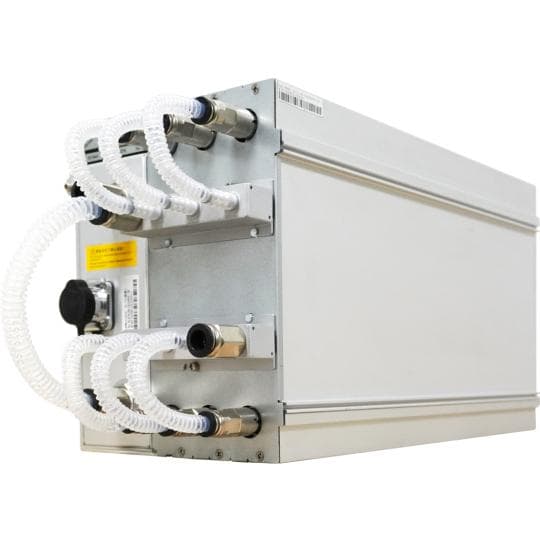
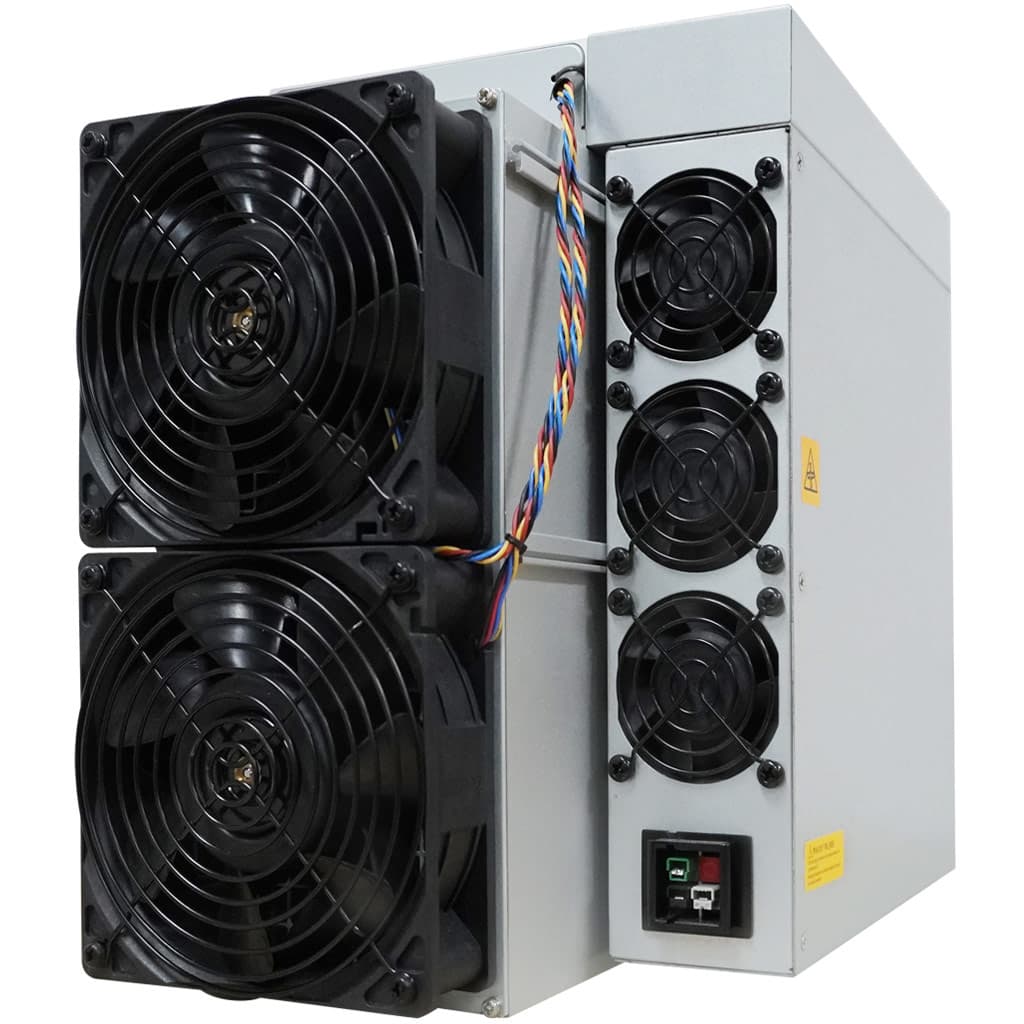
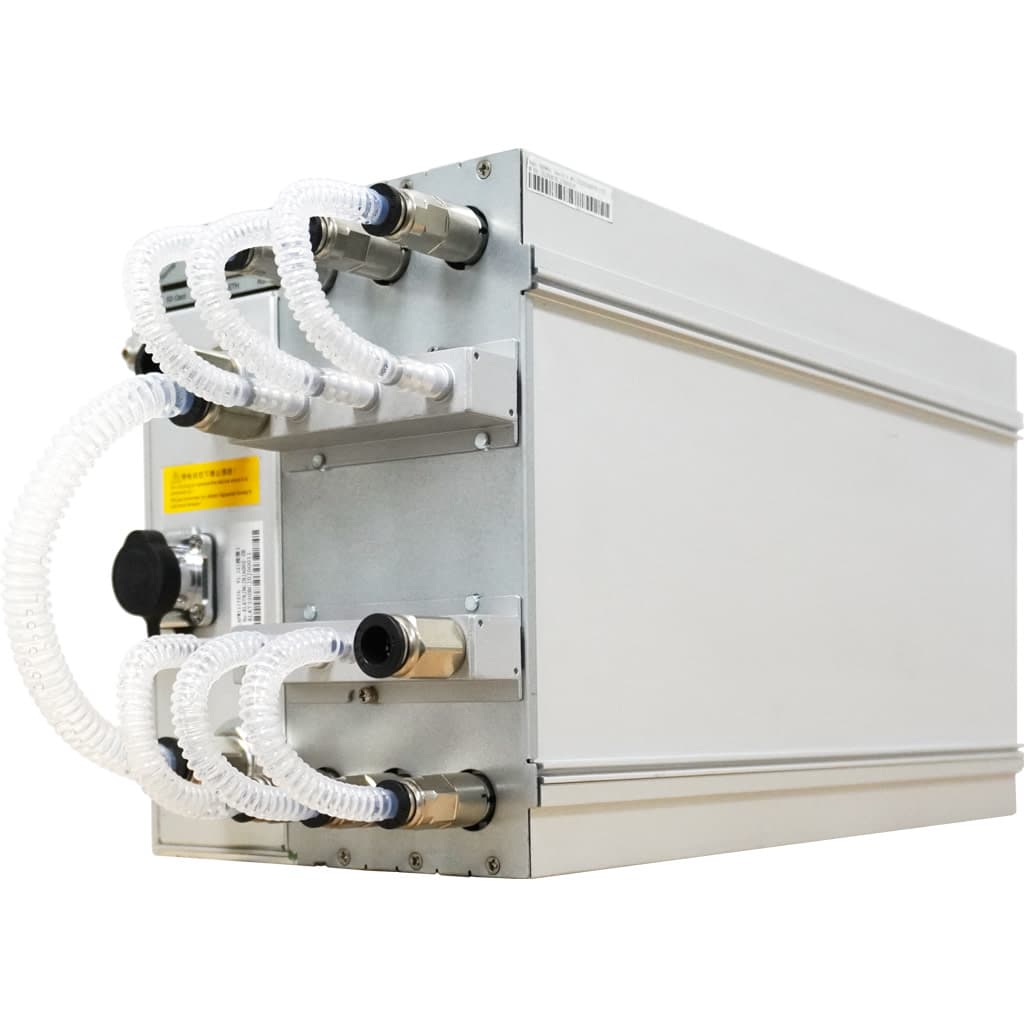
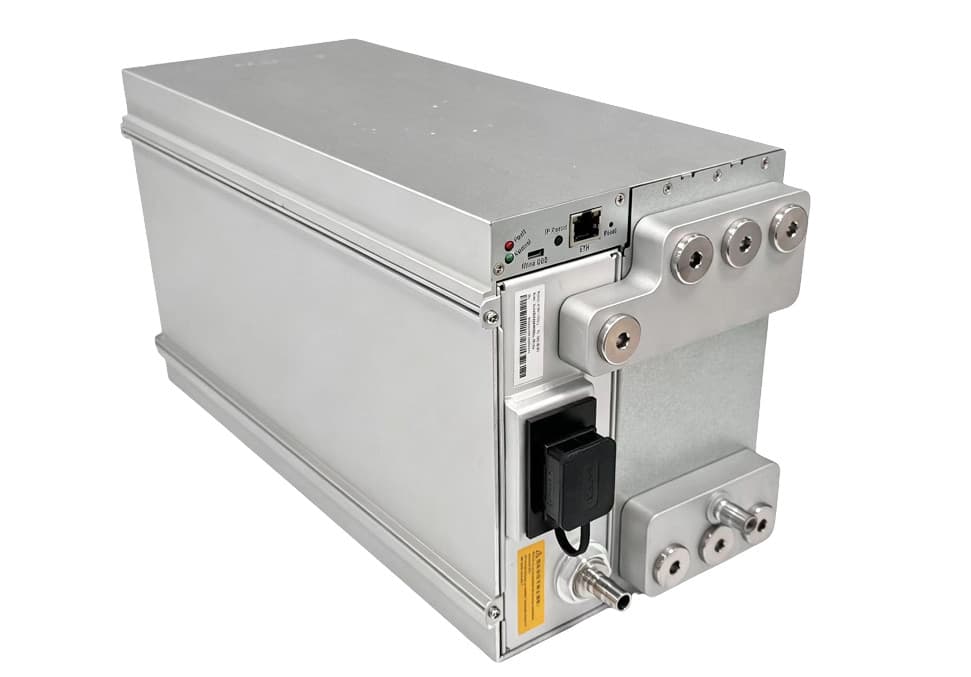
Antminer S23 XP Hyd.
AvailableNew
- Hashrate
- 600TH/s
- Power
- 5,340W
- Efficiency
- 8.9J/TH
- Hydro-cooled
- SHA-256
$14,535$24.23/TH
Market · 230/400 V, 50 Hz
New Zealand's low-voltage supply is 230/400 V at 50 Hz: 230 V single-phase line-to-neutral and 400 V three-phase line-to-line.
Sockets follow AS/NZS 3112 (Type I), the same standard as Australia. A standard domestic socket is rated 10 A, about 2.3 kW at 230 V, which is not enough for a large air-cooled miner drawing 3–3.6 kW. A 3.3–3.6 kW miner draws roughly 14–16 A at 230 V, at or above the limit of a 15 A outlet. Plan a dedicated circuit with a 20 A or 32 A outlet, or hard wiring. Heavier-duty variants of the socket go up to 32 A, and a higher-rated plug will not fit a lower-rated socket.
Air-cooled miners with a 200–240 V or 220–277 V input connect line-to-neutral at 230 V. Hydro-cooled miners specified for 380–415 V three-phase match the 400 V three-phase supply line-to-line. Several machines on one site will need a three-phase connection sized for the total load. Confirm the available capacity with your lines company and a licensed electrician.
| Supply | Connection | Listed miners that accept it |
|---|---|---|
| 230 V | 230 V; Single-phase, line-to-neutral | 53 of 93 |
| 400 V three-phase | 400 V three-phase; Line-to-line | 40 of 93 |
Counted from the input-voltage range stated for each miner, for the 93 listed miners with a stated range. Nominal supply values; actual site voltage varies. Have a qualified electrician confirm your supply, breakers and cabling.
NIWA describes New Zealand's climate as ranging from warm subtropical in the far north to cool temperate in the far south, with severe alpine conditions in the mountains. Mean annual temperatures run from 10 °C in the south to 16 °C in the north. The difference between summer and winter is relatively small, though larger inland and east of the ranges. Frosts can occur anywhere, and the east and south of the South Island may see some winter snow.
This is a favourable climate for air cooling: for most of the year outside air is well below miners' maximum intake temperatures. The design problems are moisture and cold. Rain is spread through the year, and the West Coast of the South Island is the wettest area, so keep rain and humid air out of the intake. On frosty inland and southern sites, temper very cold intake air with recirculated exhaust.
Lowest J/TH among listed models whose published input range includes a standard New Zealand supply voltage.
Bitmain
$14,535$24.23/TH
Bitmain
$11,684.05$20.14/TH
Bitmain
$7,931.55$26.01/TH
Bitmain
$8,359.05$17.41/TH
Inland Revenue publishes guidance on mining cryptoassets. In most cases, cryptoassets received from mining, such as transaction fees and block rewards, are taxable. Tax can arise because the miner is in the business of mining, carries on a profit-making scheme, earns ordinary income from providing mining services, or mines in order to sell or exchange the cryptoassets.
Inland Revenue treats mining as a service subject to GST. Because the service is provided to a blockchain ledger outside New Zealand, it is zero-rated, and GST on the costs of the mining service can be claimed. Income tax may also be due on any profit when mined cryptoassets are later sold or exchanged, but that sale has no GST implications.
As published by the sources listed below on the date they were checked. Rules change: confirm the current position with the authorities or a local adviser before you buy.
Orders are handled the same way for every destination and scale with quantity:
Where a product shows "Availability on request" or "Available", stock is not held in a warehouse; lead time is confirmed on your quotation.
Standard shipping to New Zealand is free on every order. If you need it faster, choose express shipping at checkout and we quote it before payment is requested.
Imports are cleared by the New Zealand Customs Service. Customs needs an electronic lodgement before it clears goods. It does not provide that service directly, so importers use a customs broker, a freight forwarder, the Trade Single Window or EDI software. An import entry must be completed within 20 days of the goods arriving. Goods worth NZ$1,000 or more go on a standard import entry, and commercial imports over NZ$1,000 must use a full entry.
GST on imports is 15% of the value of the goods plus any duty plus freight and insurance. GST is administered by Inland Revenue and collected on imports by Customs. A Customs and MPI goods levy is also charged on imported goods. Customs duty, if any, depends on the tariff classification and origin of the goods.
Beyond a few machines, the miners are one line of the bill of materials. Transformers, switchgear, PDUs, racking, cooling and containers are specified around the miner model and the site's supply voltage, and can be quoted as one procurement scope.
Checked on October 11, 2026.
Wholesale & project supply
Send models, quantity, destination and available electrical capacity. Sales replies with equipment options, delivery terms and lead time.